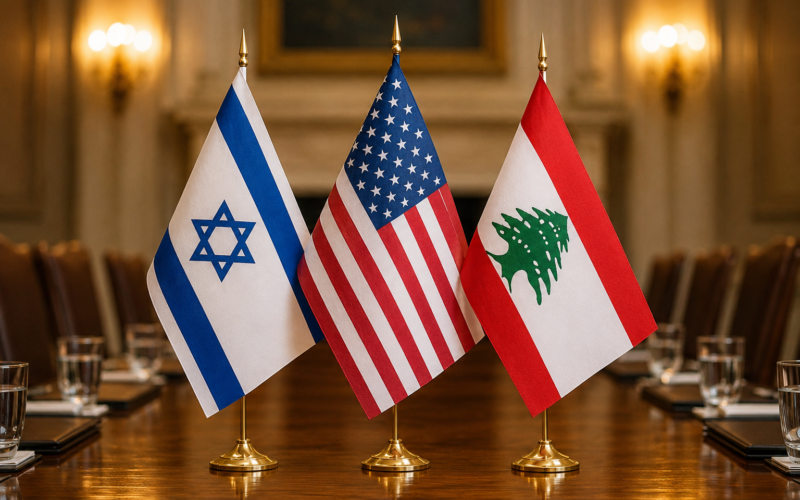
Peace Agreements
Peace agreements represent formal treaties or accords between warring parties, aimed at resolving conflicts, ending hostilities, and establishing conditions for lasting peace. These agreements often involve complex negotiations, mediations by international bodies or third-party states, and detailed provisions addressing territorial disputes, security arrangements, political transitions, and economic cooperation. Historically, such agreements have played a crucial role in shaping geopolitical landscapes and fostering stability in various regions around the world. Their success is often contingent on the commitment of all signatories to uphold their terms and the presence of mechanisms for verification and enforcement.
In the context of the Middle East, peace agreements hold particular significance due to the long-standing conflicts and geopolitical complexities. Notable examples include treaties between Israel and its Arab neighbors, which have profoundly impacted regional dynamics and international relations. These agreements often involve discussions on sensitive issues such as border demarcation, the status of disputed territories, security protocols, and the rights of various populations. Furthermore, peace agreements can extend beyond state-level conflicts to address internal strife, civil wars, and humanitarian crises, aiming to restore order and protect civilian populations. Readers can find comprehensive coverage of ongoing negotiations, historical accords, and analyses of their impact in this dedicated section of jnews.az.