
VIDEO
Incidents
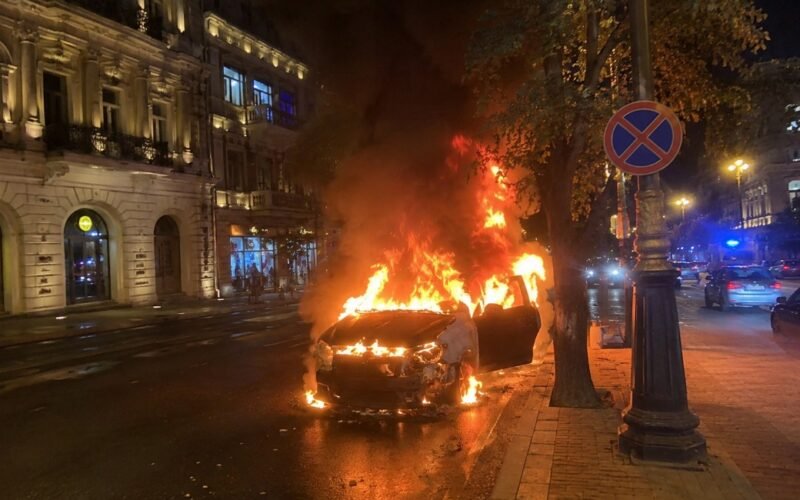
Car Catches Fire in Central Baku at Night
A car caught fire in central Baku during the night hours.
📅 June 25, 2026, 09:43
Night refers to the period of darkness in each twenty-four hours. This section explores various aspects of night as it relates to Jewish life, culture, and events.
A car caught fire in central Baku during the night hours.
Night, the time between sunset and sunrise, holds significant meaning across cultures and religions, including Judaism. In Jewish tradition, the transition from day to night is marked by specific rituals and prayers, such as Ma'ariv, the evening prayer service. This period is also central to the observance of Shabbat and Jewish holidays, which often begin at sundown and incorporate unique evening customs. For instance, the Seder meal on Passover is traditionally held at night, symbolizing liberation and memory. The concept of night can evoke themes of introspection, communal gathering, and spiritual reflection within Jewish thought.
Furthermore, the night has historically been a time of both vulnerability and resilience for Jewish communities. Moments of darkness, literal and metaphorical, have punctuated Jewish history, from periods of persecution to miraculous deliverances often recounted in night-time narratives. Conversely, night can also symbolize hope, with the lighting of Shabbat candles or Hanukkah menorahs bringing light into the darkness. In contemporary life, night continues to frame community events, educational programs, and personal spiritual practices. The articles in this section of jnews.az will delve into how the concept of night intertwines with Jewish identity, history, and daily life, including its relevance in Azerbaijan and the broader Israeli context, offering insights into evening events, cultural celebrations, and religious observances that unfold after dark.