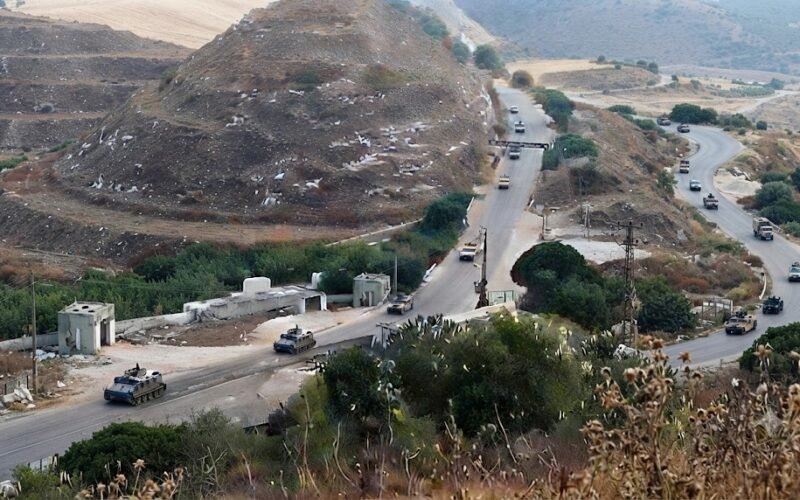
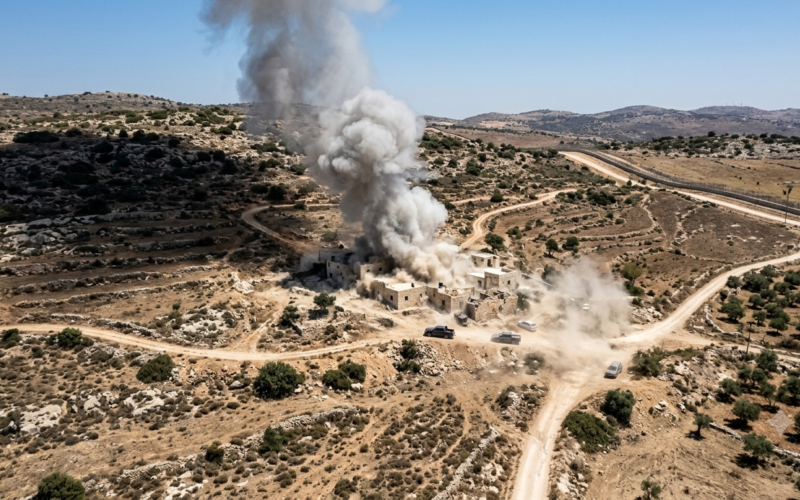
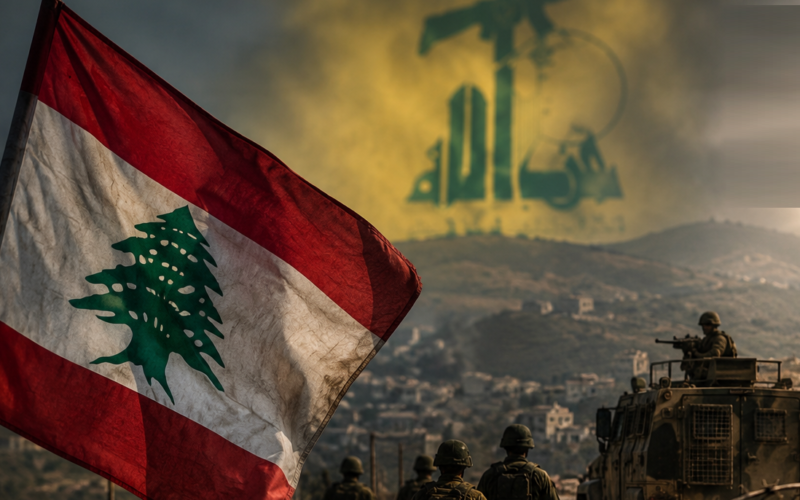
Lebanon, a small yet historically rich country in the Middle East, has long been a melting pot of diverse cultures and religions. Nestled between Syria and Israel, its strategic location has influenced the social and political dynamics of the region for centuries. Lebanon's vibrant cities, particularly Beirut, are known for their unique blend of Arab and Mediterranean cultures, making it a focal point for interfaith dialogue and cultural exchange.
For the Jewish community in Azerbaijan, Lebanon holds significance due to its historical connections and shared experiences in the region. The Lebanese Jewish diaspora once thrived, contributing to the cultural landscape, similar to the Jewish community in Azerbaijan. Today, Lebanon's complex political landscape and its relations with Israel provide essential context for understanding the broader Jewish experience in the Middle East. As diplomatic ties evolve, the potential for renewed dialogue and cooperation remains a crucial aspect of Lebanon’s future, resonating with the aspirations of Jewish communities across the region.
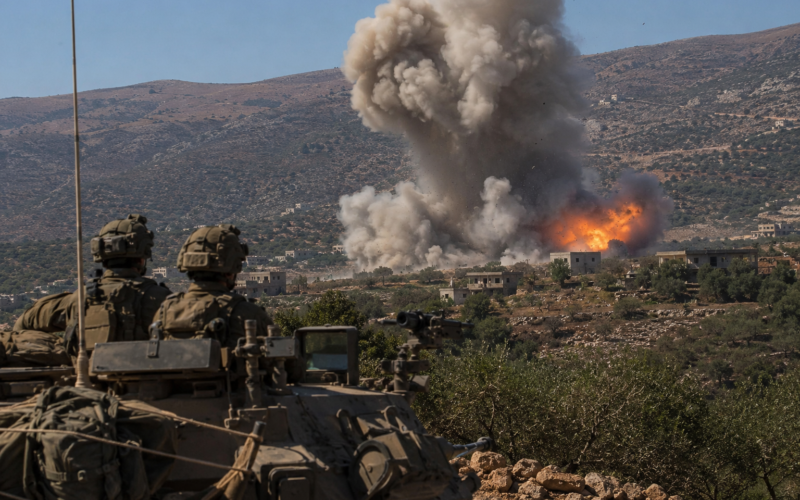
Israeli Defense Forces (IDF) have revealed that during operations in the security zone in southern Lebanon, extensive weapons and ammunition depots belonging…
The European Union Aviation Safety Agency (EASA) has issued new safety recommendations for airlines operating in the Middle East region amid escalating…
Against the backdrop of talks with Israel, all contacts between the Lebanese government and Hezbollah have reportedly ceased. Meanwhile, the Lebanese army…
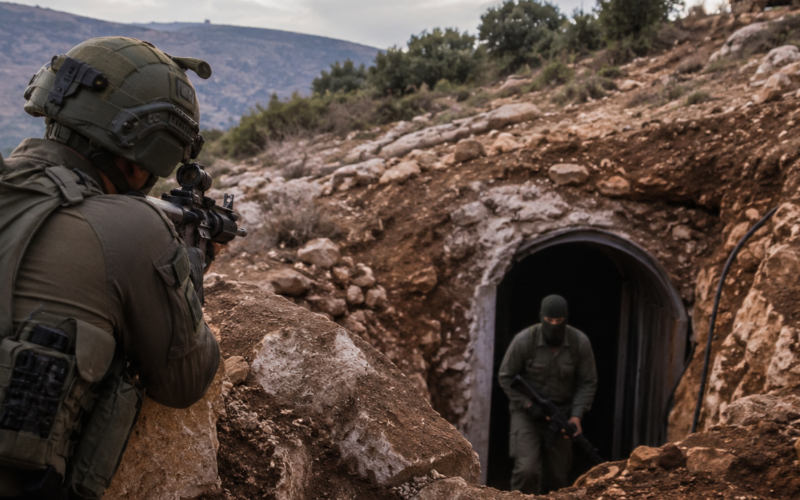
Israeli Defense Forces (IDF) neutralized a Hezbollah fighter who emerged from an underground tunnel during an operation in southern Lebanon.
📅 July 2, 2026, 20:37
Lebanon: A Historical and Cultural Overview
Lebanon, a small yet significant country located on the eastern shore of the Mediterranean Sea, is renowned for its rich history, diverse culture, and complex socio-political landscape. Bordered by Syria to the north and east and Israel to the south, Lebanon has long been a crossroads of civilizations, making it a pivotal area in both historical and contemporary contexts. Its geographical position has facilitated trade and cultural exchange, contributing to its unique identity, which blends various influences from the Arab world, Europe, and beyond.
Geographical Context
Lebanon spans approximately 10,452 square kilometers, featuring a rugged mountainous terrain and a narrow coastal plain. The country is characterized by its Mediterranean climate, with hot, dry summers and mild, rainy winters. Lebanon's capital, Beirut, is often referred to as the "Paris of the Middle East" due to its vibrant cultural scene and historical significance. The country is divided into several governorates, each with its own unique attributes and cultural expressions, from the ancient ruins of Baalbek to the picturesque landscapes of the Cedars of God.
Historical Significance
The history of Lebanon is deeply intertwined with that of the Jewish people. Ancient Phoenicians, who inhabited the region thousands of years ago, are often credited with the development of the alphabet, which would later influence Hebrew script. Throughout history, Lebanon has witnessed the presence of various Jewish communities, particularly in cities like Tyre and Sidon. The Jewish presence in Lebanon continued through various eras, including Roman, Byzantine, and Ottoman rule.
During the 20th century, Lebanon became a significant center for Jewish intellectuals and cultural figures, particularly in Beirut, where a thriving Jewish community flourished until the mid-20th century. The establishment of the State of Israel in 1948 and the subsequent Arab-Israeli conflict profoundly impacted Lebanon, leading to the migration of many Jews from the region. Today, the Jewish community in Lebanon is minimal, yet its historical contributions remain an essential aspect of the country's cultural heritage.
Modern Political Context
Lebanon's political landscape has been marked by sectarian tensions and conflicts, particularly during the Lebanese Civil War (1975-1990). The war resulted in significant demographic changes, including the exodus of many Jewish residents. Despite these challenges, Lebanon has maintained a complex relationship with Israel, characterized by periods of conflict and attempts at diplomatic engagement. The presence of Hezbollah, a Shiite militant group, has further complicated the geopolitical dynamics in the region, often impacting Lebanon's relations with Western countries and its Arab neighbors.
Lebanon and the Jewish Community of Azerbaijan
While the Jewish community in Lebanon has diminished, the historical ties between Lebanon and the Jewish diaspora, including the Jewish community in Azerbaijan, remain noteworthy. Azerbaijan has a long-standing tradition of tolerance and coexistence among various ethnic and religious groups, including Jews. The Jewish community in Azerbaijan, primarily composed of Mountain Jews, has maintained its cultural identity while fostering good relations with the local population.
The historical connections between Lebanon and Azerbaijan can be traced through trade routes and cultural exchanges that facilitated interactions between Jewish communities in both regions. Furthermore, Azerbaijan's strategic location and its diplomatic relations with Israel provide a contemporary context for understanding the ongoing relevance of Lebanon in discussions surrounding Jewish identity and heritage in the region.
Cultural Heritage and Influence
Lebanon is home to a rich tapestry of cultural influences, reflecting its historical interactions with various civilizations. The country is renowned for its contributions to art, literature, music, and cuisine. Lebanese cuisine, characterized by dishes such as hummus, tabbouleh, and kibbeh, has gained international acclaim and is often celebrated for its diversity and flavors.
In terms of literature, Lebanon has produced notable writers, poets, and thinkers who have contributed significantly to Arabic literature and thought. Figures such as Khalil Gibran, the author of "The Prophet," have left an indelible mark on both Lebanese and global literature.
Religious Diversity and Interfaith Dialogue
Lebanon's religious landscape is one of the most diverse in the Middle East, with significant populations of Christians, Muslims, and Druze. This diversity has historically fostered a culture of interfaith dialogue and coexistence, although it has also led to tensions and conflicts. The presence of various religious communities has enriched Lebanon's cultural fabric, making it a unique example of religious pluralism in the region.
Interfaith dialogue remains a crucial aspect of Lebanon's identity, with various organizations and initiatives promoting understanding and cooperation among different religious groups. This emphasis on dialogue resonates with the values of the Jewish community in Azerbaijan, which also emphasizes coexistence and mutual respect among different ethnic and religious groups.
Current Challenges and Future Prospects
Lebanon faces numerous challenges, including economic instability, political corruption, and social unrest. The recent economic crisis has exacerbated existing issues, leading to widespread protests and calls for reform. International support and cooperation will be essential for Lebanon to navigate these challenges and build a more stable future.
Despite these difficulties, Lebanon's rich cultural heritage and historical significance continue to attract interest from scholars, tourists, and cultural enthusiasts. The country's potential for growth and development remains, particularly in areas such as tourism, arts, and education.
Conclusion
Lebanon's intricate history, cultural richness, and diverse religious landscape make it a significant area of interest for those exploring Jewish heritage and identity in the region. As the Jewish community in Azerbaijan continues to thrive, understanding Lebanon's past and present offers valuable insights into the broader context of Jewish life in the Middle East. The enduring connections between Lebanon and the Jewish diaspora underscore the importance of cultural exchange, dialogue, and mutual respect among different communities.
In conclusion, Lebanon stands as a testament to the complexities of history, identity, and culture in the Middle East. Its relevance extends beyond its borders, highlighting the interconnectedness of communities and the shared values that unite them. As Lebanon navigates its current challenges, the hope for a future marked by peace, coexistence, and cultural vibrancy remains a shared aspiration for all its inhabitants.