
PHOTO
Politics
Slovakia’s President receives official reception in Baku
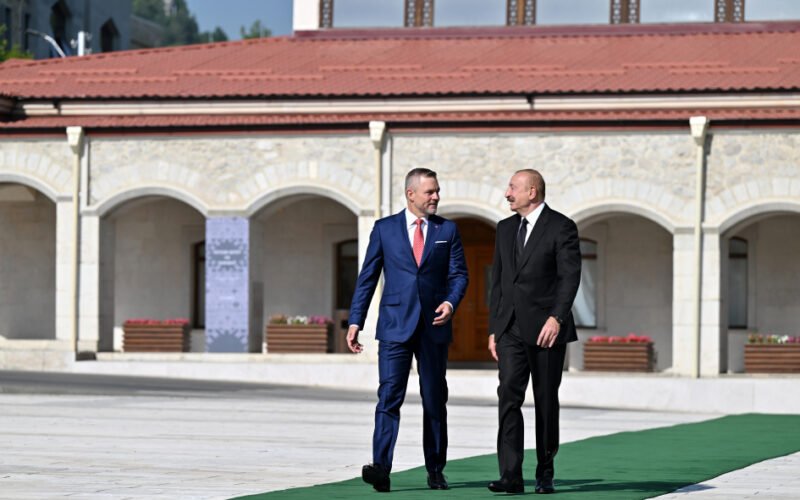
Baku, July 14 – Slovakia's President Peter Pellegrini was given an official reception ceremony in Baku.
📅 July 14, 2026, 10:42
Baku, July 14 – Slovakia's President Peter Pellegrini was given an official reception ceremony in Baku.
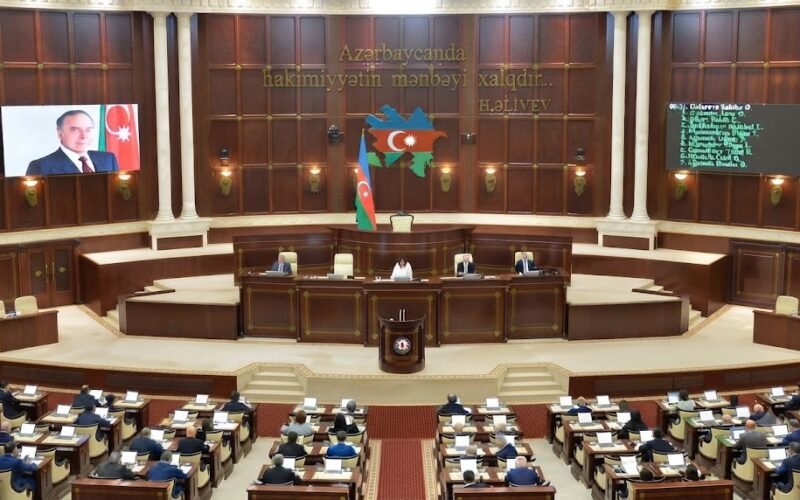
Baku, July 13 – The final session of the National Assembly's extraordinary session will be held on July 14.
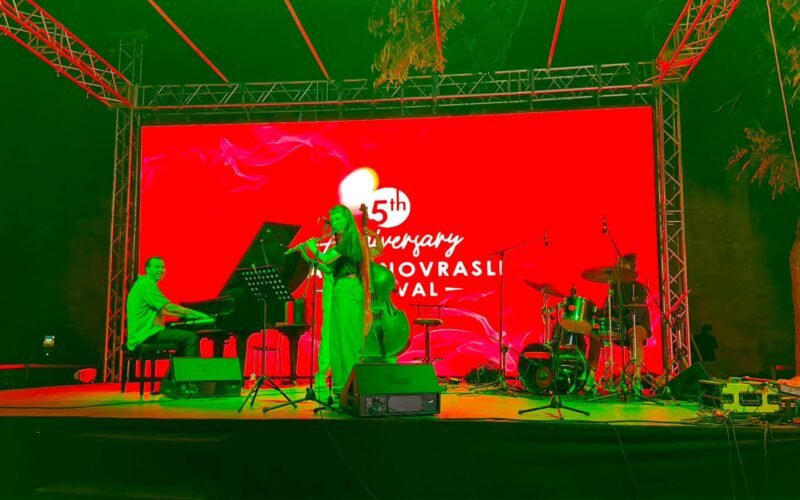
Baku, July 13 – Israeli music group Matan Shani Trio performed at Shahin Novruz Festival, presenting their unique musical program to audiences.
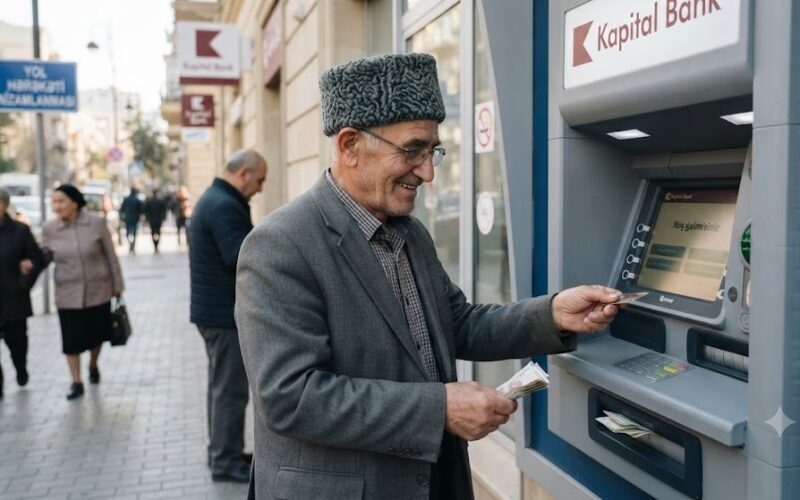
Baku, July 13 — Pensioners living in Baku and Sumgait cities, as well as Absheron district, will receive their July pensions tomorrow.
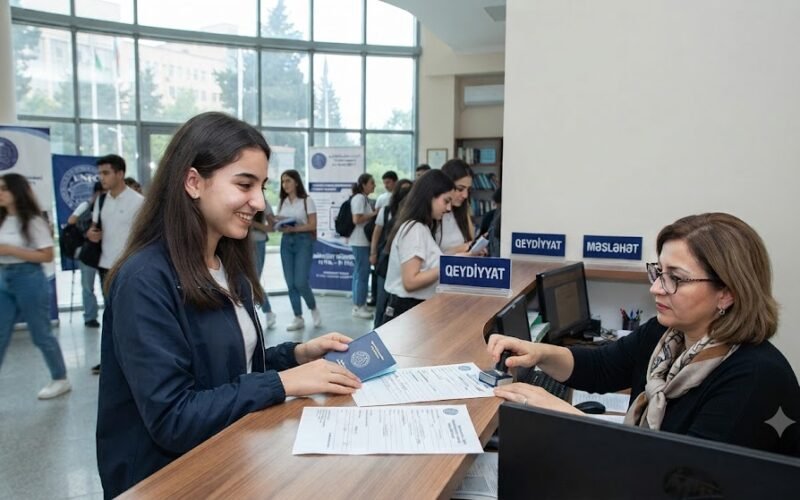
Baku, July 13 - Electronic applications for student placement at higher and secondary specialized education institutions for the 2026-2027 academic year have…

On July 12, the State Examination Center held entrance exams for Groups I and IV specialties. The exam involved 36,356 applicants, and…

Routes 61 and 88A will operate on alternative streets from July 10-12 due to road repair works in the capital.

Information circulating on social media about a large-scale mumps outbreak in Baku does not reflect reality. The Ministry of Health states that…
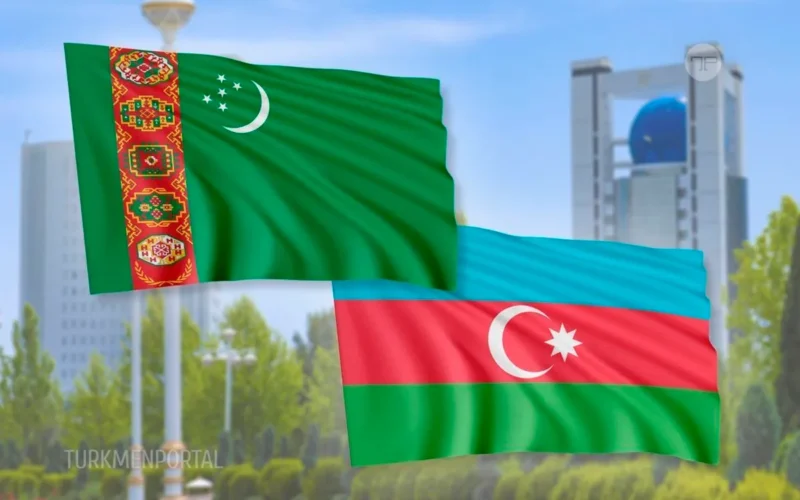
Turkmenistan plans to construct a new embassy building for its diplomatic mission in Azerbaijan.

Azerbaijan's Qarabag football club won its first match in the first qualifying round of the 2026/2027 UEFA Europa League season.
Baku, the capital of Azerbaijan, represents a unique combination of ancient history and modernity. The city, located on the shores of the Caspian Sea, is an important economic, cultural, and political center not only for the country but for the entire Caucasus region. Its rich cultural heritage, diversity of ethnic groups and religions make Baku an important place for studying intercultural dialogue and interaction, which is particularly relevant for the Jewish community of Azerbaijan.
The history of Baku spans over 2,000 years. The city was founded in the 1st century AD and has since gone through numerous historical phases, including Arab conquest, Persian influence, and Russian colonization. Baku became an important trading hub due to its strategic location on the Great Silk Road. This facilitated cultural exchange between East and West, which influenced the formation of the city’s multinational society.
Among the many nationalities that inhabited Baku, Jews held a significant place. The Jewish community in Baku has a long history, dating back to ancient times. During different historical periods, both Mountain Jews and Ashkenazi Jews lived here, contributing to cultural diversity and mutual understanding.
Today, Baku is a dynamically developing city with modern architectural projects such as the Heydar Aliyev Center and Flame Towers. The city is also known for its historic old town, which is a UNESCO World Heritage site. Baku attracts tourists from all over the world, fostering intercultural dialogue and exchange.
In recent decades, Baku has become an important center for international conferences and cultural events. The city actively participates in global initiatives aimed at strengthening intercultural dialogue, which is particularly significant for the Jewish community seeking integration and interaction with other cultures.
The Jewish community of Baku, one of the oldest in the region, plays an important role in the cultural and social life of the city. For centuries, Jews in Baku have actively participated in trade, crafts, and various spheres of public life. Currently, the Jewish community continues to preserve its traditions by organizing cultural events, holidays, and educational programs.
Synagogues, such as the Ashkenazi Synagogue and the Georgian Jews Synagogue, serve as important centers for communal life. These places not only conduct religious rituals but also become venues for cultural events and gatherings.
Baku is renowned for its cultural diversity, reflecting the city’s rich history. It is home to representatives of various nationalities and religions, creating a unique atmosphere. In Baku, one can find Muslims, Christians, and Jews coexisting in peace and mutual understanding. This diversity lays the foundation for dialogue and cooperation, which is especially important in the modern world.
Cultural events such as festivals, exhibitions, and concerts help strengthen ties between different ethnic groups. The Jewish community actively participates in these events, showcasing its cultural traditions and customs, which fosters better understanding and respect among peoples.
Baku also plays an important role on the international stage. The city has hosted numerous international events, such as summits, conferences, and sporting events. This draws attention to Azerbaijan and promotes the development of diplomatic relations with other countries.
An important aspect is that Baku actively participates in initiatives aimed at strengthening peace and stability in the region. The city becomes a platform for discussing pressing global issues, including intercultural dialogue, which opens new opportunities for the Jewish community in Azerbaijan.
Baku, as a historical and cultural center, continues to be an important place for the Jewish community of Azerbaijan. Its rich history, cultural diversity, and active participation in international initiatives create unique opportunities for the development of intercultural dialogue and strengthening ties between different ethnic groups.
Baku not only preserves its traditions but also actively adapts to modern challenges, making it an important player on the international stage. The Jewish community, being at the center of this process, continues to contribute to the cultural and social development of the city, strengthening connections with other peoples and cultures.