
Culture
Israel’s Bahai Gardens could make new seven wonders list
Israel's most famous tourist attraction, the Bahai Gardens and Bab Mausoleum, is competing to be included in the new seven wonders of…
📅 July 15, 2026, 10:29
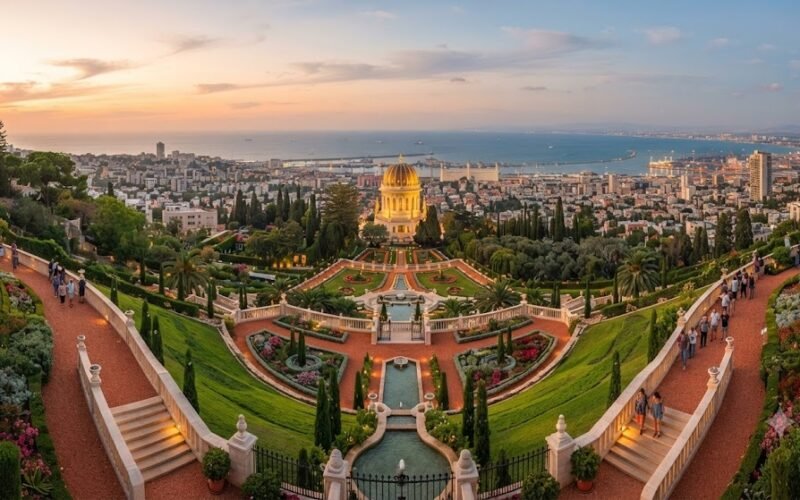
Bab Mausoleum is a historic shrine dedicated to the Bab, a central figure in the Bahai faith. Located in Haifa, Israel, it stands as a symbol of Bahai heritage and spiritual significance worldwide.
Israel's most famous tourist attraction, the Bahai Gardens and Bab Mausoleum, is competing to be included in the new seven wonders of…
The Bab Mausoleum, situated on the slopes of Mount Carmel in Haifa, Israel, is one of the most sacred sites in the Bahai faith. The Bab, whose name means "the Gate" in Arabic, was a 19th-century religious reformer whose teachings laid the foundation for Bahaism. Born Siyyid Ali Muhammad in Shiraz, Persia (modern-day Iran), he is revered by Bahai believers as a herald of Bahaullah, the founder of the Bahai faith.
Completed in 1953, the mausoleum features a striking golden dome that has become an iconic symbol of Haifa's skyline. The structure combines Persian and European architectural elements, reflecting the faith's universal principles. The shrine houses the remains of the Bab and stands within the Bahai World Centre, which includes terraced gardens stretching across the mountainside. These gardens are recognized by UNESCO as a World Heritage Site, attracting pilgrims and visitors from across the globe.
In the context of Bahai-Jewish and Israeli affairs, the Bab Mausoleum represents an important interfaith landmark in the Middle East. The Bahai faith, emphasizing unity and peace among all religions, has maintained a presence in Israel since the 19th century. Coverage on jnews.az includes updates on the mausoleum's cultural significance, interfaith initiatives, and its role in promoting understanding between diverse communities in the region.