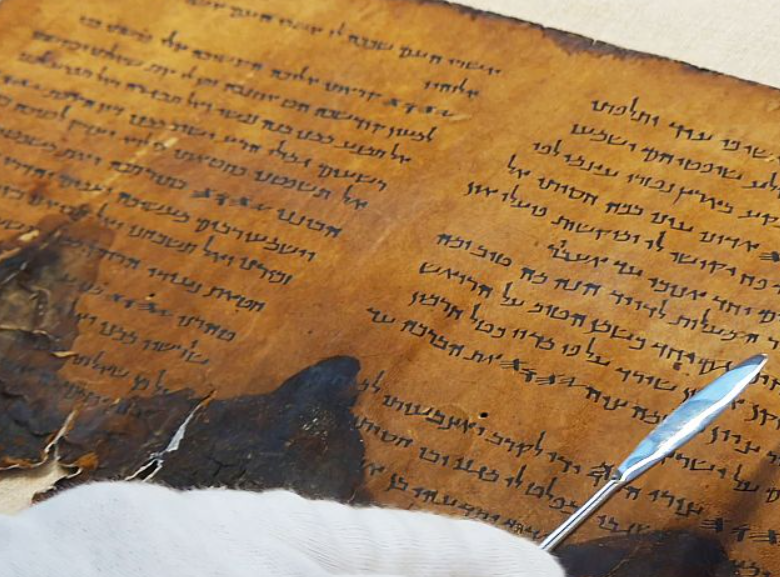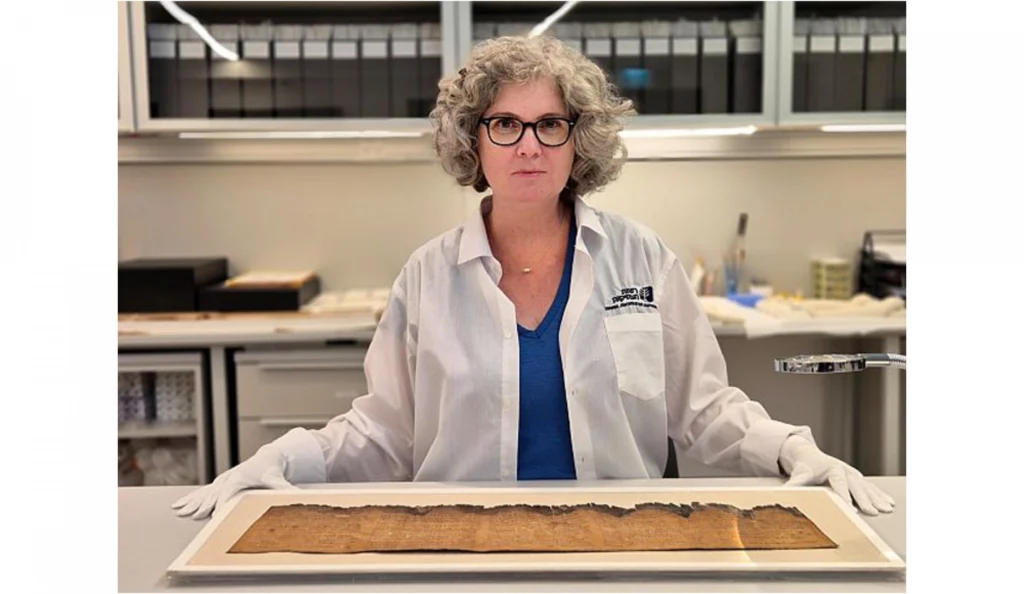

The European Research Council has allocated a 2.5 million euro grant to a five-year international project led by Professor Mladen Popović of the University of Groningen, aimed at investigating the origin of the Dead Sea Scrolls.
In addition to the Israel Antiquities Authority, several leading European scientific centers will participate in the project. The main goal of the research is to determine where and by whom the ancient manuscripts discovered in the Judean Desert were produced.
The Dead Sea Scrolls, considered one of the most important archaeological finds of the 20th century, are currently preserved in Jerusalem. However, debates surrounding their origin continue. Scientists are exploring hypotheses that the manuscripts were written by the Qumran community, produced in scribal centers in Jerusalem, or brought from other regions.
The project, titled "Tracing Scribes and Scrolls," will utilize chemical analysis, paleography, codicology, and artificial intelligence technologies. Approximately 250 parchment and papyrus samples, as well as Egyptian papyri for comparative purposes, will be analyzed during the study. The research will help uncover the origin of the materials and the connections between ancient scribal centers.
The collected data will be processed using artificial intelligence, and a new model will be developed for more accurate dating and geographical identification of the manuscripts by comparing writing styles and text characteristics.
Professor Mladen Popović, the project leader, stated that this initiative will be the most extensive digital study of the Dead Sea Scrolls ever undertaken. According to him, the research will not only identify the authors of the manuscripts but also answer important questions about where they were created and how they were disseminated in ancient times.