
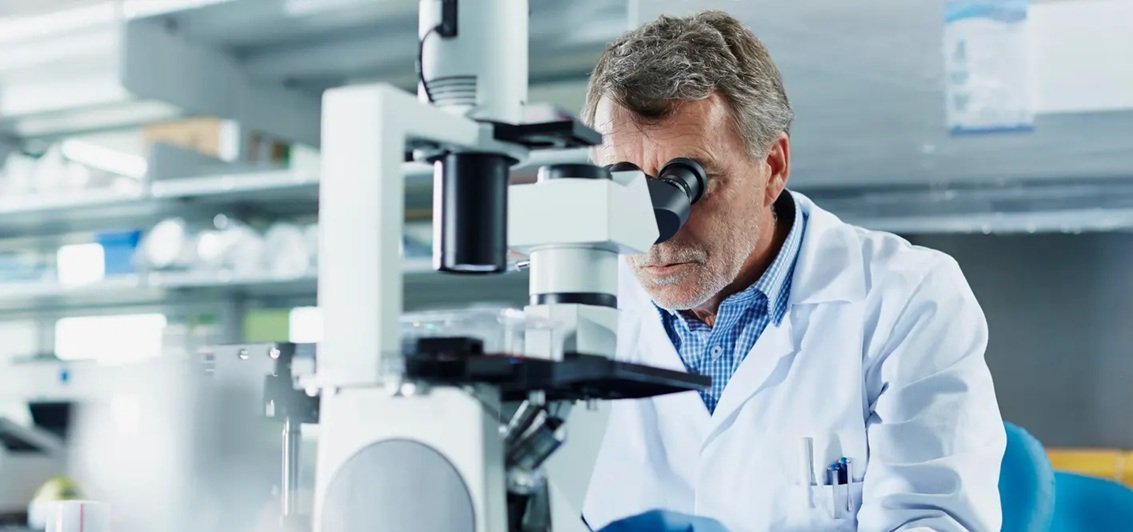
Researchers at Israel's Technion — Israel Institute of Technology have developed a promising new technology against aggressive cancer types resistant to conventional treatment methods. Scientists have created innovative molecules that selectively destroy therapy-resistant cancer cells, opening new possibilities in cancer treatment.
According to specialists, aggressive cancer types such as melanoma and sarcoma often show resistance to conventional treatment. The main reason for this is that cancer cells escape from programmed cell death and depend on special proteins that support their vital functions.
The new approach developed by scientists is based on a class of molecules called R4VPs. Unlike existing drugs, these molecules do not merely block the activity of harmful proteins, but completely destroy them, thereby activating the natural death mechanism of cells. The research results were published in the journal Oncogene.
Within the framework of the research, a molecule with a dual mechanism of action was developed for the first time in the world. This compound simultaneously targets and destroys both the RNF4 enzyme, which ensures the stability of cancer cells, and the VHL enzyme, which prevents ferroptosis, a special form of programmed cell death.
Laboratory tests showed that as a result of the new molecules' action, cancer cells are destroyed within just a few hours. At the same time, the drug demonstrated high selectivity. While the molecules affected tumor tissues taken from patients during surgery, they caused virtually no harm to healthy cells. This property could potentially significantly reduce the severe side effects observed during chemotherapy in the future.
Professor Amir Orian, lead author of the research, stated that the dual mechanism of action helps eliminate the mechanisms of cancer resistance to treatment and paves the way for the development of a new generation of drugs for patients suffering from the most aggressive forms of cancer.
Currently, scientists are testing the effectiveness of the new molecules in mouse models. The next phase involves planning the launch of clinical trials in humans. If the research is successful, this technology could become a turning point in the treatment of aggressive cancer types.