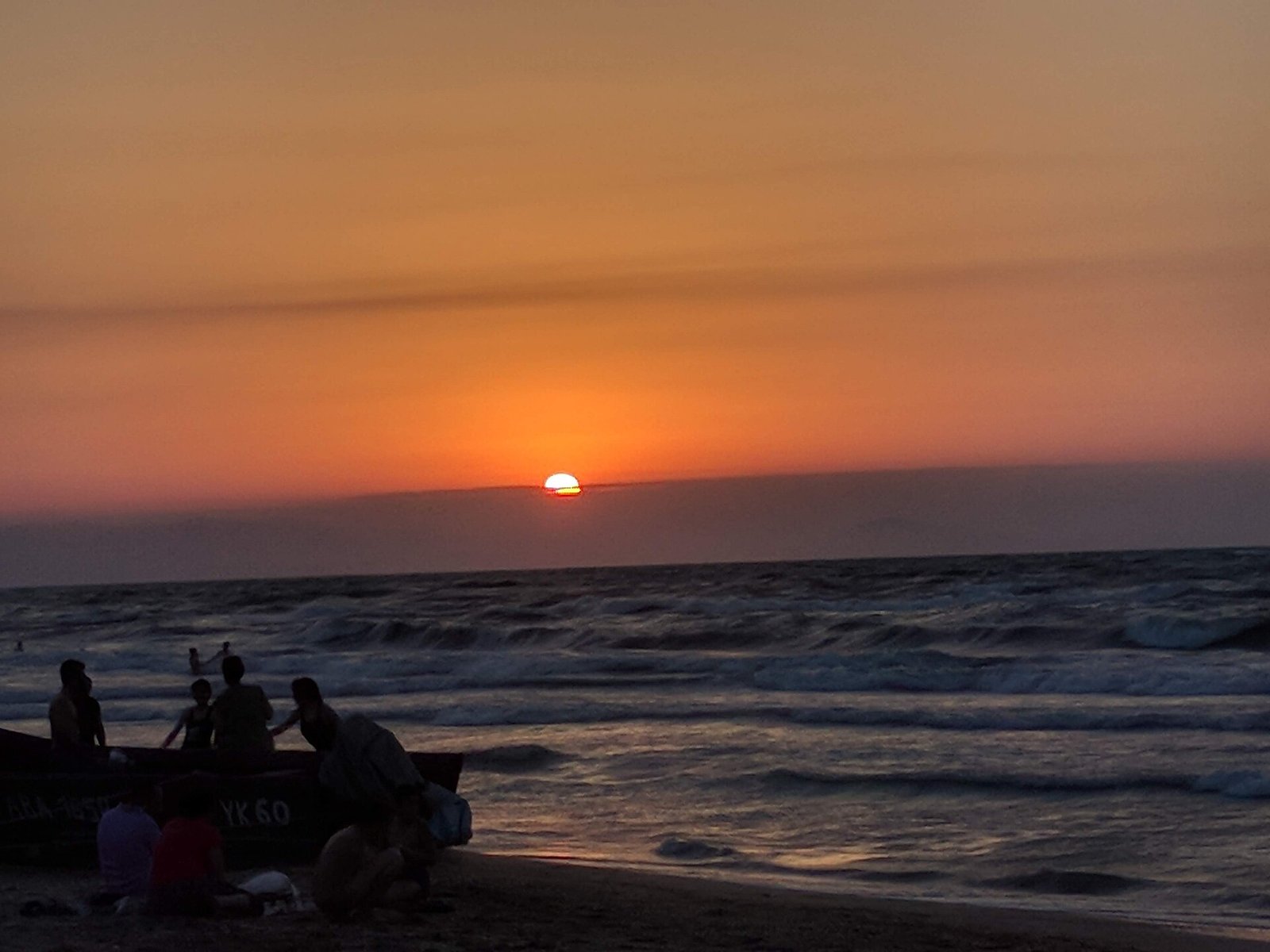
In 2019 a free public beach was opened here under a project of the IDEA Public Union — Pirshagi was among the first six beaches, along with Shikh, Görədil, Novkhani, Buzovna and Sahil. It has lifeguard posts, shade canopies, changing cabins and showers, toilets, gazebos and sun loungers, football and volleyball courts, separate waste containers and a car park. Entry and use are free; the season opens on 15 June.
The weather on the shore is set by the winds: the northerly khazri, the southerly gilavar and daily breezes. Summers are dry — the July average is 25–27 °C and the January average 0–3 °C.
In Soviet times the settlement's climate and sand were considered curative, and sanatoria and children's camps were opened here. Today the Pirshagi Sanatoria and Resorts Association includes the Qizil Qum and Gilavar sanatoria; children's sanatoria and rest houses also operate.
Azerbaijani cultural figures kept dachas here too — among them the composer Gara Garayev and the singer Bulbul.
Fish and orchards
The local economy long rested on fishing and horticulture. The fisheries were the main source of income; older residents recall how much they mattered for feeding the population in 1941–1945.
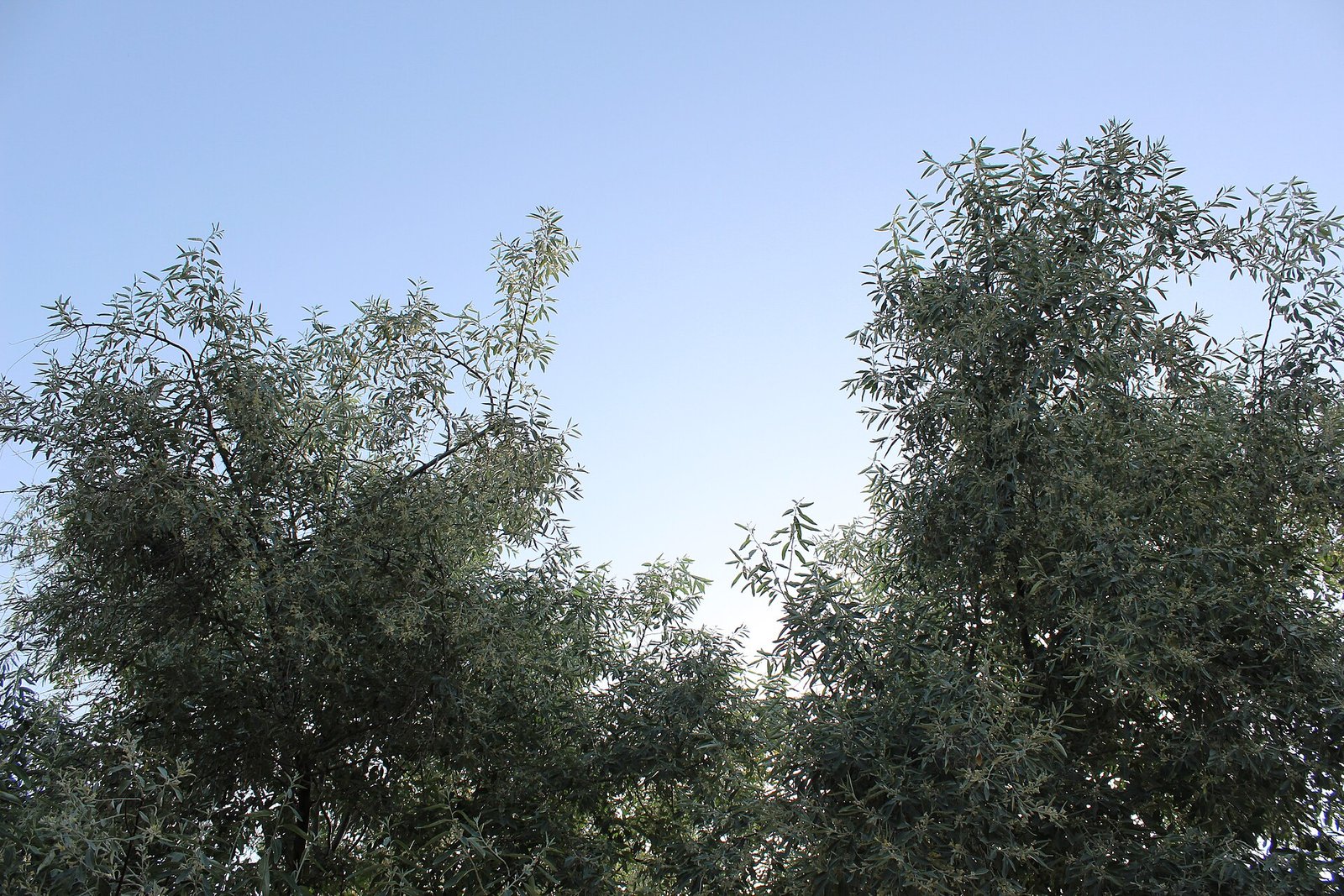
There was no irrigation, so the orchards were dry-farmed — grapes, figs, mulberry and oleaster suited the climate. Pirshagi's shani grapes and figs were known well beyond the settlement. Once Absheron's water supply improved, private plots began growing almost anything.