
Streets and quarters
Three main streets, dozens of dead ends and quarters that differed not by address but by the trade of their residents.
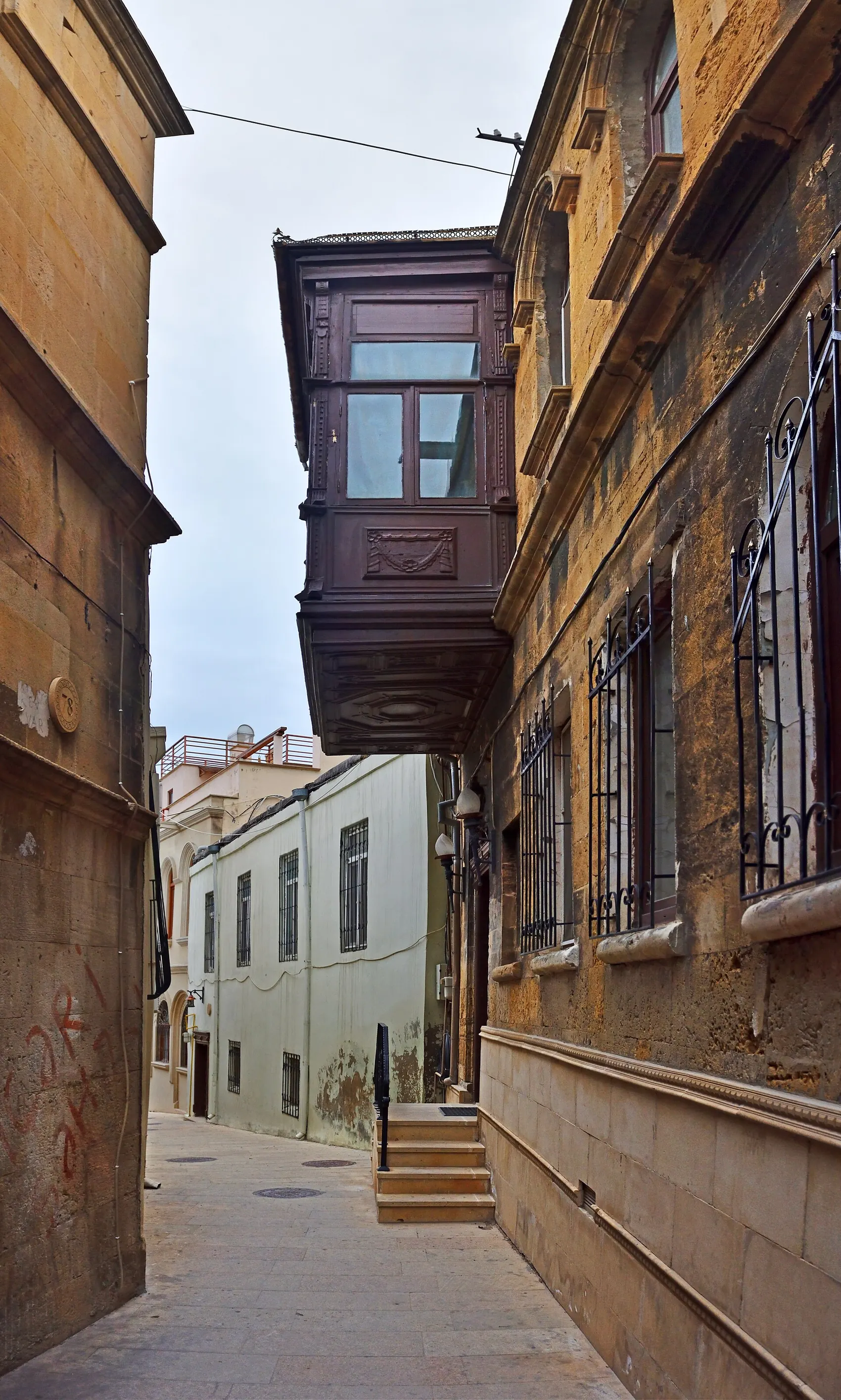
Three streets
As in the Middle Ages, the fortress has three main streets. Great Fortress Street begins at Gala Square by the twin gates, where fairs and festivities were once held, and divides the city into a lower and an upper part: below lived fishermen, boatmen and shipwrights and trade went on, above, by the palace, lived the well-to-do.
Small Fortress Street (Saray yolu in common speech) runs along the walls from the Shamakhi Gate to the Salyan Gate. After 1806 barracks for Russian soldiers were built along it — later, rebuilt, they were occupied by local residents. Here too are the keep, the reservoir, the bath keepers' quarter and the Aga Mikayil bathhouse.
Asaf Zeynally Street is the old caravan road, called Minarəli or Karvan yolu: it leads from the Multani and Bukhara caravanserais past the Market Square and the Maiden Tower to the Khan's caravanserai.
Why the streets curve
The streets of the fortress are not straight, and that is no whim: on the bends the Baku wind does not blow through them end to end. Add dozens of narrow lanes and dead ends — döngə — where the oldest surviving houses, dated to 1700, still stand.
Visitors lost their bearings. In the 1850s Pisemsky described walking “between windowless walls, two abreast”, with only a strip of sky above.
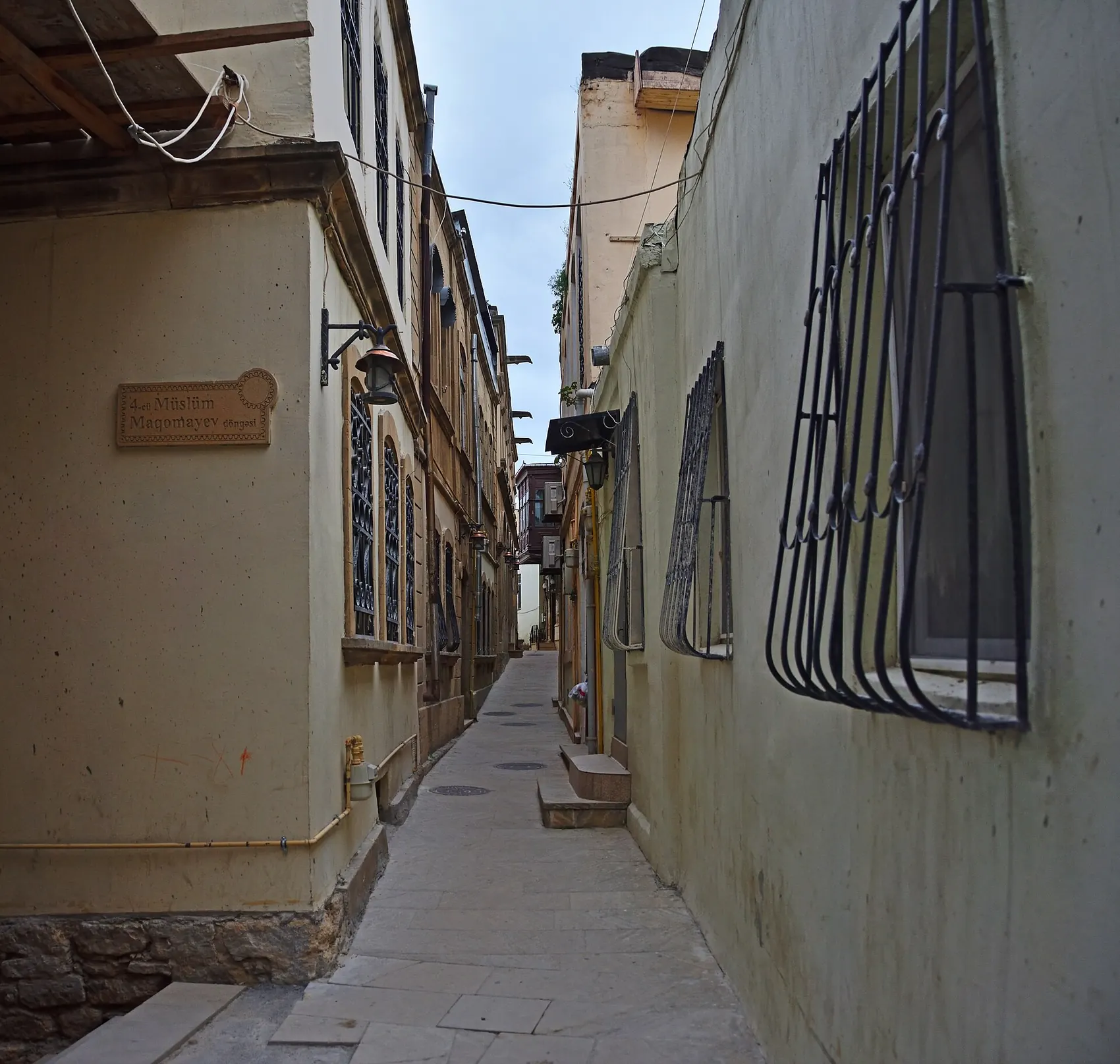
Quarters by trade
Boatmen and shipwrights — they settled in the lower part, close to the shore and the harbour.
Bath keepers. The quarter around the Aga Mikayil bathhouse on Small Fortress Street is still called the bath keepers' quarter.
“Those in white trousers” — descendants of seafarers, the city's notables.
Cart drivers: those who kept carts and served city and caravan transport.
The Jewish quarter inside the fortress — one of the signs that the Old City was never homogeneous.
Dagestani armourers and smiths; silk traders from Gilan, who gave the Gileyli Mosque its name.
The fortress in film and books
Gaidai shot the “foreign Istanbul” scenes of The Diamond Arm right here; the lanes, the palace, domes and walls all appear on screen. A monument to Yuri Nikulin stands in İçərişəhər. Amphibian Man, Aybolit-66, Tehran-43 and Do Not Be Afraid, I'm With You were filmed here too.
In Kurban Said's novel Ali and Nino the hero looks from a flat roof at “the mighty fortress walls of İçərişəhər, the ruins of the palace with Arabic inscriptions, the narrow lanes”. For a long time the symbol of the quarter was a mulberry tree behind the Juma Mosque — the square was called Mulberry Square; in the 1970s the tree was cut down for construction work.
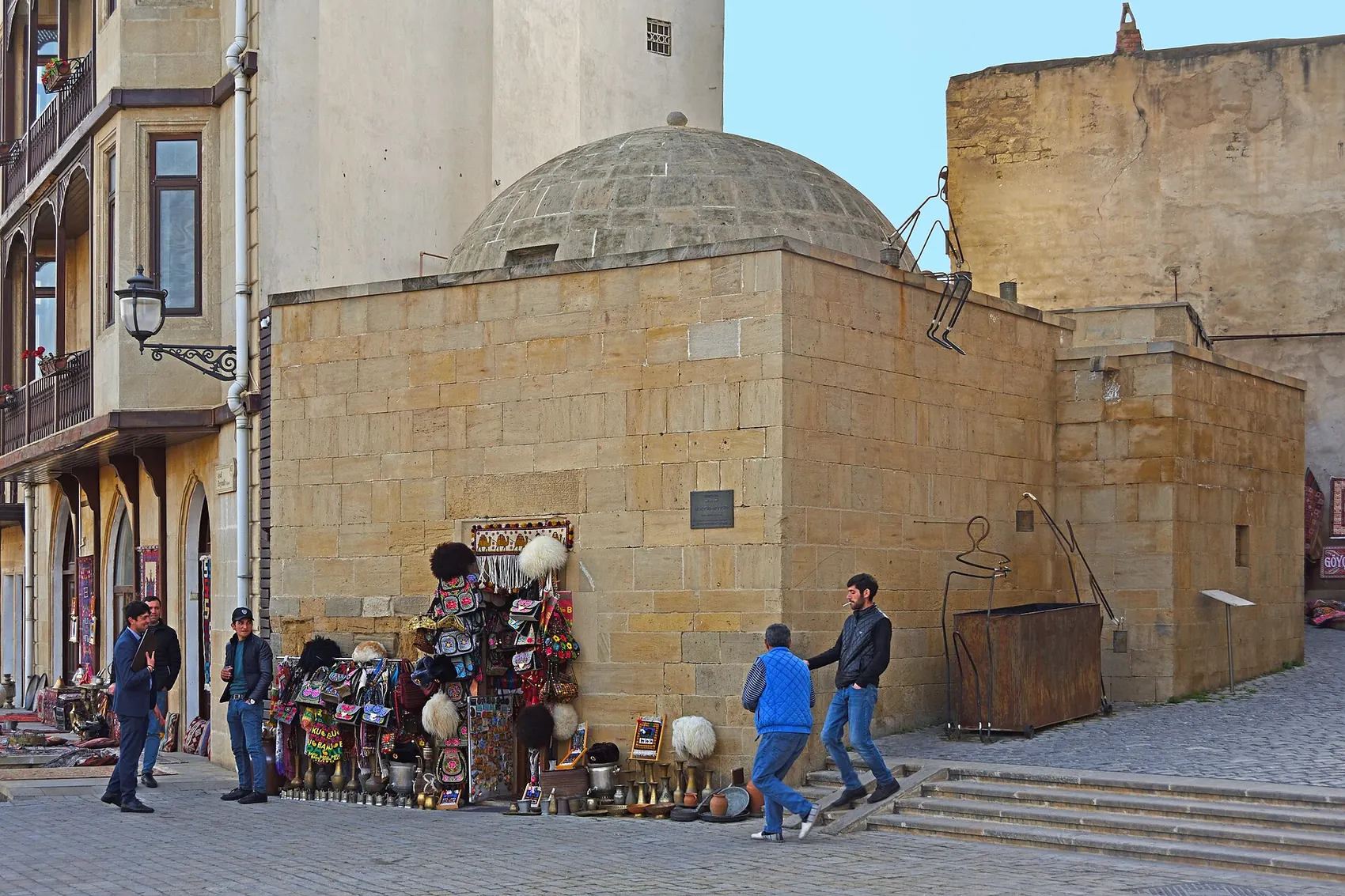
We walked between windowless walls, two abreast; above us only a strip of sky was visible
Baku.ws news
The feed of the news portal
 EconomyAzerbaijani oil has become cheaper909080808010:09
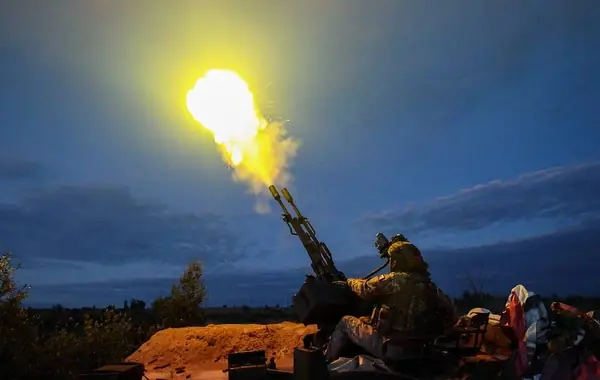 WorldThe number of drones shot down on approach to Moscow has risen to 103, three people injured10:00
 PoliticsDeputy: Statements by Russian officials directed at Azerbaijan entail legal liability23:57
 WorldTrump doubts Iran's readiness to sign a deal with the US23:56
Headlines and photographs come from baku.ws; the feed was updated on 18 August 2026. The links lead to the publisher's site.
Sources
Facts were checked against Wikipedia articles in four languages, the UNESCO World Heritage entry and the site of the Reserve administration. Where sources disagree, both versions are given.