
Monuments
Inside the walls stand dozens of dated buildings: from a minaret of 1078 to bathhouses that archaeologists uncovered underground.
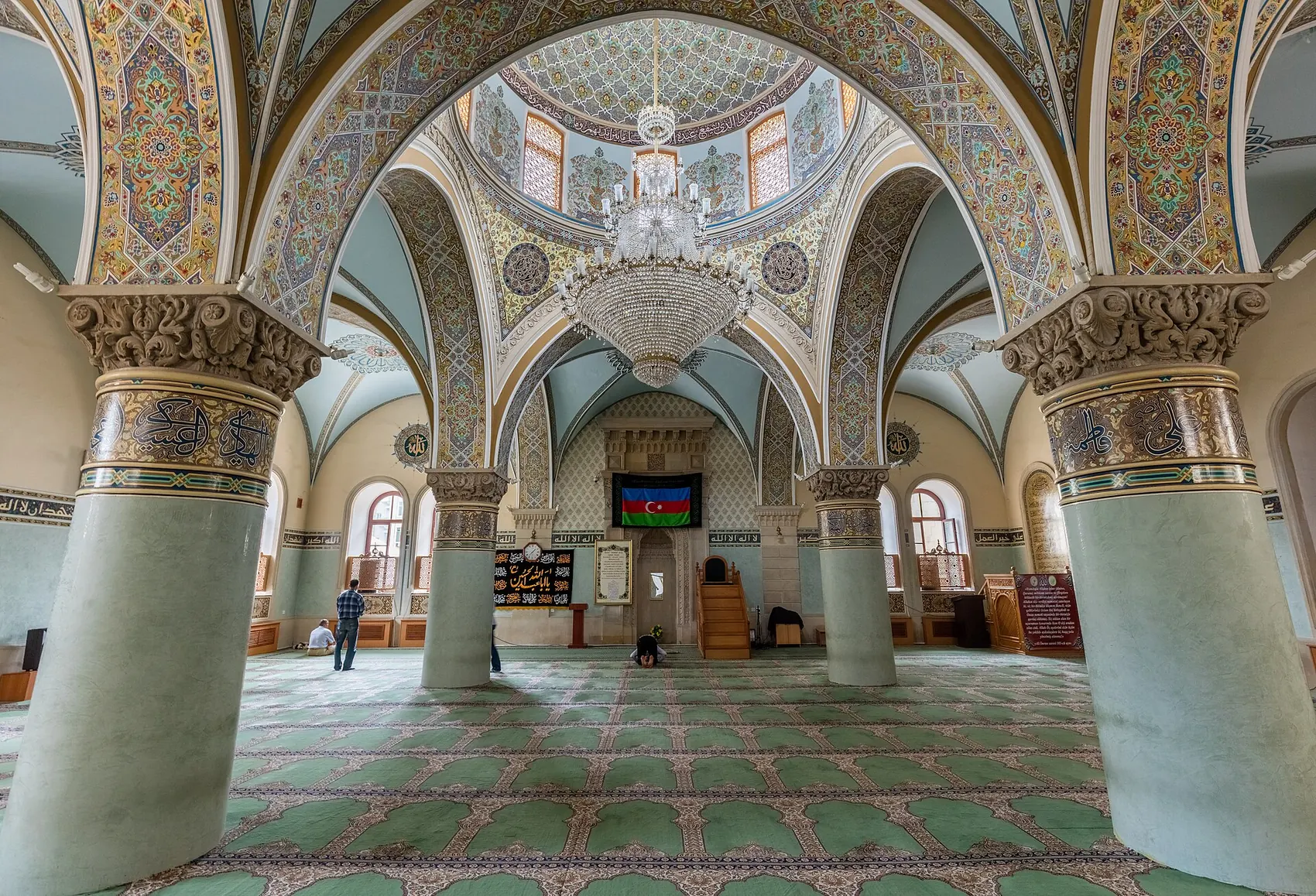
Mosques
The earliest dated monument in the fortress is the Muhammad Mosque of 1078/79 with a minaret twelve metres high. It is known as Sınıqqala, “the broken tower”: in 1723 Russian troops shelled the city and the top of the minaret was damaged.
The Juma Mosque near the Maiden Tower is a building of 1899 raised on the site of an ancient mosque in the neo-Persian style; the adjoining minaret dates to the 15th century and carries an inscription with the name of Khalilullah from 841 AH. The Sheikh Ibrahim Mosque was built in 1415/1416, the Lezgi Mosque in 1169 — its later name comes from the oil boom, when it was given over to Lezgin workers from Dagestan.
Caravanserais
The 15th-century Indian Multani caravanserai stands opposite the Bukhara one: fire-worshipping merchants from the Indian city of Multan stayed here. A square courtyard, balconies around it and cells behind them for individual lodging.
The Bukhara caravanserai was built at the end of the 15th century on the road through the Shamakhi Gate — an octagonal courtyard and a projecting portal. The 12th-century Khan's caravanserai looks like a defensive structure from the south: its main entrance faced the sea. The 17th-century Gasim Bey caravanserai opened onto the maritime trading street.
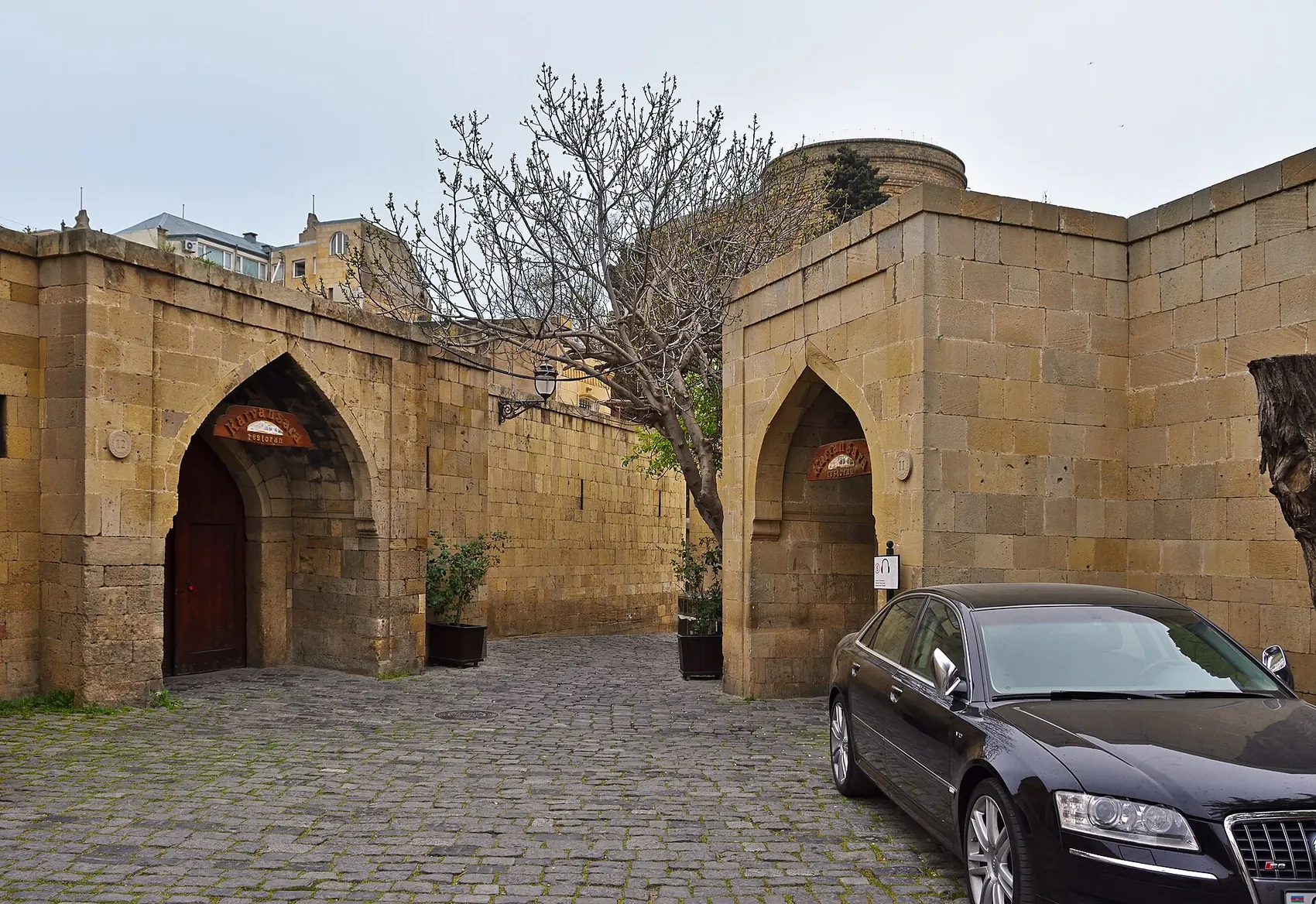
Bathhouses
Eastern bathhouses were sunk into the ground: from outside only the portal and the domes with perforated lanterns for ventilation were visible. That is why they are found by excavation: the Haji Gayib bathhouse of the late 15th century was uncovered in 1964, the palace bathhouse in 1947 and 1958–1962.
The 18th-century Aga Mikayil bathhouse on Small Fortress Street still works; the quarter around it is called the bath keepers' quarter. The Gasim Bey bathhouse by the Salyan Gate was popularly known as “the sweet bath”: sweets were served with the tea.
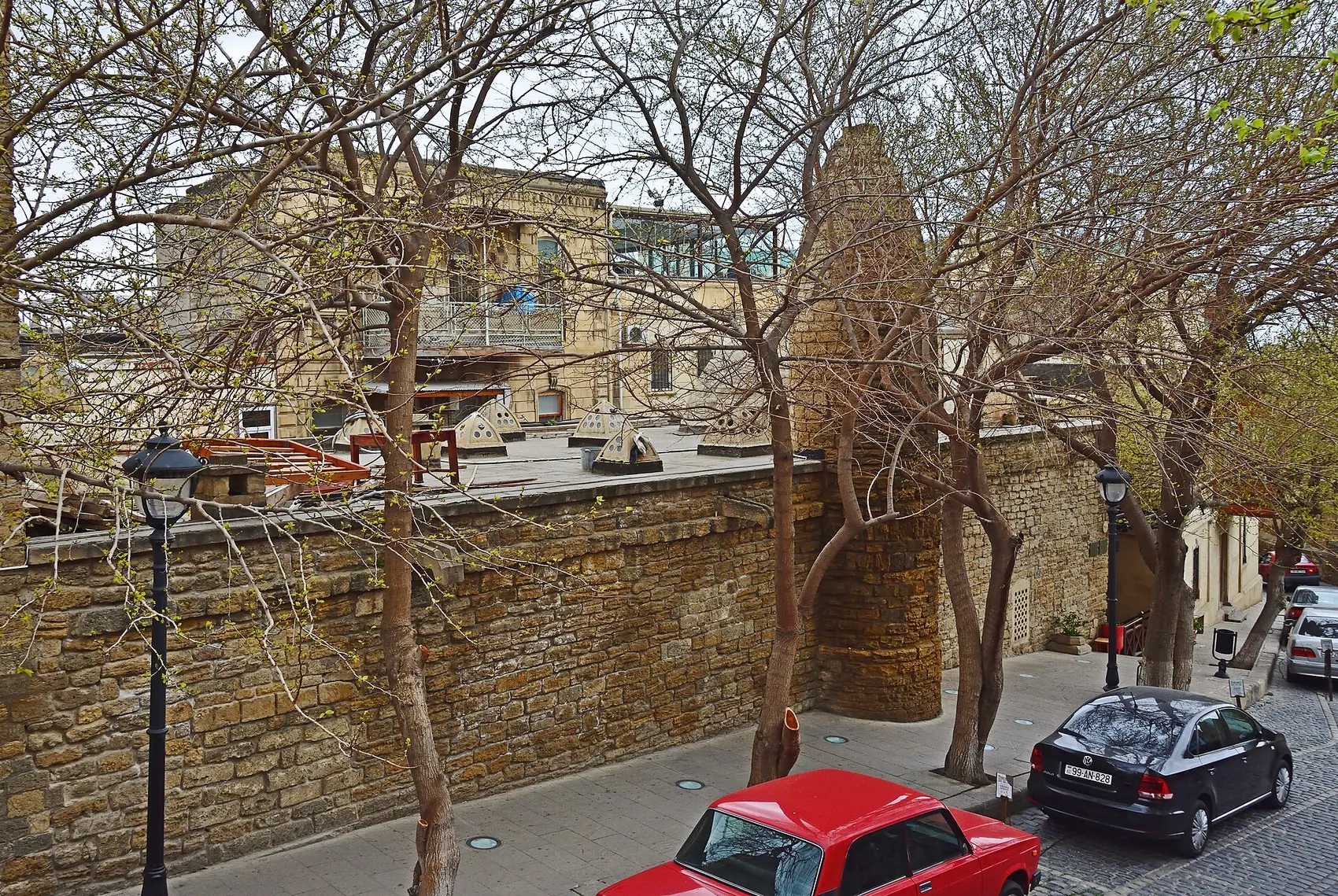
A few more addresses
The only square tower of the fortress, raised in the 14th century to strengthen the defences. Medieval sources speak of seventy half-towers and one square one.
A colonnade with pointed arches north of the Maiden Tower was uncovered by excavation; 52 graves, stelae and a stone ram figure were found. Today it is an open-air museum.
It stands on a street with a change of level, which shaped its plan. Excavations in 1988 showed that the mosque was raised on the site of a fire temple.
A mosque and a madrasa at once. When Asaf Zeynally Street was repaired, the madrasa cell ended up on the other side of the road.
Two domes and carved window grilles; named after the quarter of settlers from Gilan who traded in silk. In 2006 an attempt to plaster over 14th-century inscriptions was stopped by the residents of the quarter.
Square in plan with a central dome, on the old trade and caravan route. Its akhund, Seyid Yahya Murtuza, is buried by the entrance.
Baku.ws news
The feed of the news portal
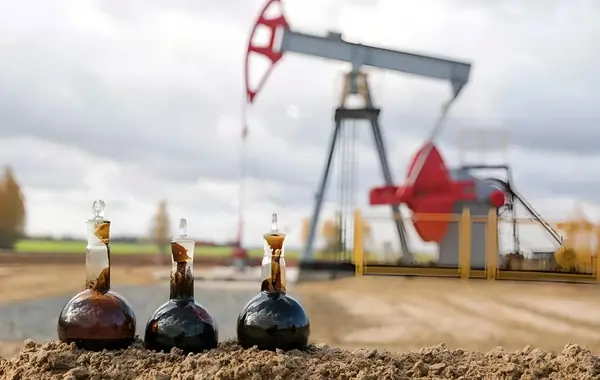 EconomyAzerbaijani oil has become cheaper909080808010:09
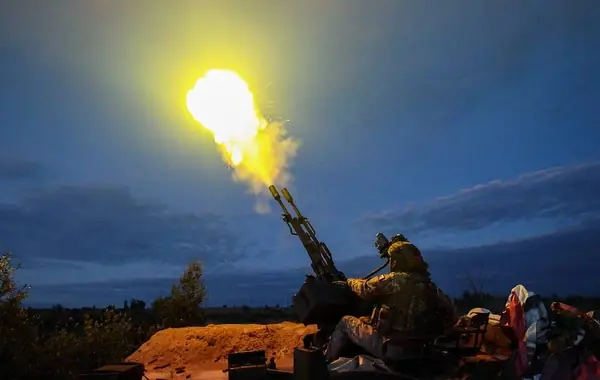 WorldThe number of drones shot down on approach to Moscow has risen to 103, three people injured10:00
 PoliticsDeputy: Statements by Russian officials directed at Azerbaijan entail legal liability23:57
 WorldTrump doubts Iran's readiness to sign a deal with the US23:56
Headlines and photographs come from baku.ws; the feed was updated on 18 August 2026. The links lead to the publisher's site.
Sources
Facts were checked against Wikipedia articles in four languages, the UNESCO World Heritage entry and the site of the Reserve administration. Where sources disagree, both versions are given.