
World
US restores oil sanctions against Iran
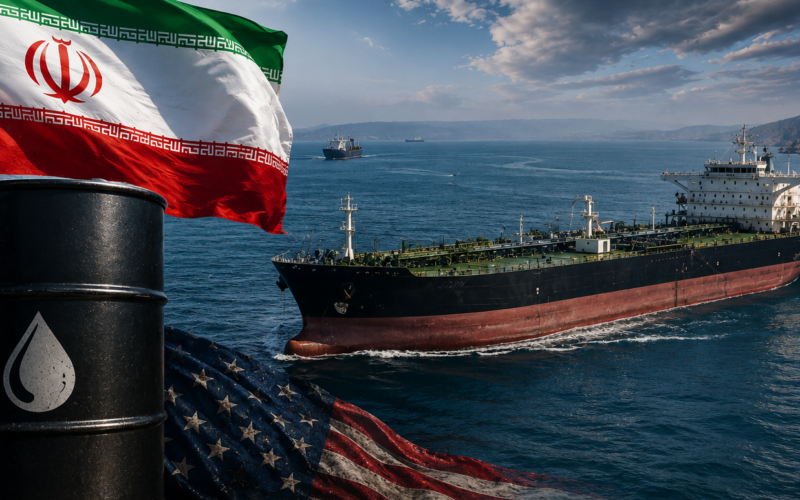
The US Treasury Department has reinstated oil sanctions against Iran. The decision comes after Tehran's attacks on civilian merchant vessels in the…
📅 July 8, 2026, 16:36
US sanctions are restrictive measures imposed by the United States government on individuals, organizations, and countries. Coverage of American sanctions policies, their impact, and international implications.
The US Treasury Department has reinstated oil sanctions against Iran. The decision comes after Tehran's attacks on civilian merchant vessels in the…
US sanctions are coercive measures imposed by the United States government against foreign entities, including individuals, companies, and nations. These restrictions typically involve freezing assets, banning trade, limiting financial transactions, and prohibiting specific business activities. The US employs sanctions as a foreign policy tool to address national security concerns, counter terrorism, prevent nuclear proliferation, and promote human rights and democracy abroad.
Sanctions regimes are administered through various executive orders and legislative acts, enforced by the Treasury Department's Office of Foreign Assets Control (OFAC) and the State Department. They vary in scope from targeted measures against specific individuals to comprehensive economic embargoes on entire nations. Sanctions impact global markets, business operations, and international relations, affecting companies and investors worldwide.
For jnews.az readers, US sanctions coverage includes their effects on Middle Eastern geopolitics, Israeli security interests, and regional stability. The section features analysis of sanctions against Iran, Syria, terrorist organizations, and other entities relevant to Jewish and Israeli communities. Readers will find updates on new sanctions, policy changes, and their humanitarian, economic, and strategic implications for the region.