
Economy
Central Bank’s New Decision: Interest Rate Corridor Unchanged
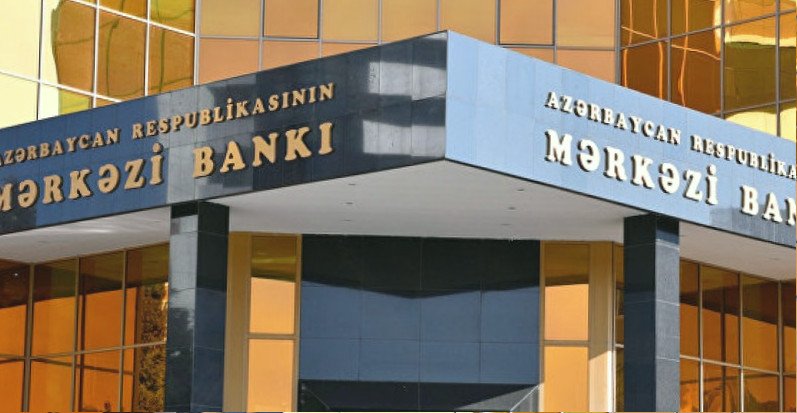
The CBA Board decided to keep all parameters of the interest rate corridor unchanged, citing inflation remaining within the target range and…
📅 June 24, 2026, 11:34
Policy Rate: Explore the policy rate’s role in monetary policy, its impact on inflation and economic stability, and its relevance to global and regional financial markets.
The CBA Board decided to keep all parameters of the interest rate corridor unchanged, citing inflation remaining within the target range and…
The policy rate, also known as the benchmark interest rate or key interest rate, is a crucial tool used by central banks to implement monetary policy. It represents the interest rate at which commercial banks can borrow money from the central bank, influencing the broader interest rate environment within an economy. By adjusting the policy rate, central banks aim to manage inflation, stimulate or cool economic growth, and maintain financial stability. A higher policy rate generally makes borrowing more expensive, which can curb inflation by reducing demand, while a lower rate can encourage borrowing and investment, boosting economic activity. The decisions surrounding policy rates are often made by monetary policy committees, taking into account various economic indicators such as inflation rates, unemployment figures, and GDP growth.
The impact of policy rate changes extends beyond domestic economies, affecting international capital flows and exchange rates. For instance, a country with a higher policy rate might attract foreign investment seeking better returns, potentially strengthening its currency. Conversely, lower rates might lead to capital outflow. In the context of Israel, the Bank of Israel's monetary committee regularly reviews and adjusts the policy rate, impacting the cost of living, mortgages, and business investments within the country. While Azerbaijan’s central bank also sets its own policy rate, the global economic landscape and the policies of major central banks often have indirect effects on smaller, open economies, including those in the South Caucasus region. Understanding these dynamics is essential for analyzing economic trends and making informed financial decisions.
This section on jnews.az provides comprehensive coverage of policy rate decisions and their implications. Readers will find up-to-date information on policy rate announcements from central banks worldwide, including the Bank of Israel and other key financial institutions. We delve into expert analysis of how these changes affect various sectors of the economy, from banking and real estate to international trade and investment. Furthermore, we explore the broader economic context in which these decisions are made, offering insights into their potential impact on inflation, economic growth, and the financial well-being of individuals and businesses, with a particular focus on developments relevant to the Jewish community and Israel.