Foreign Exchange Reserves
Foreign exchange reserves refer to the foreign currency and other reserve assets held by a country's central bank. These assets can include foreign currencies, bonds, gold, and other government securities. The primary purpose of these reserves is to back a country's liabilities and to influence monetary policy. They serve as a crucial buffer against economic shocks, helping to stabilize the national currency and maintain investor confidence. Central banks utilize these reserves to intervene in foreign exchange markets, either to strengthen or weaken the local currency as deemed necessary for economic stability and growth. The composition and size of these reserves are key indicators of a country's economic health and its ability to weather financial crises.
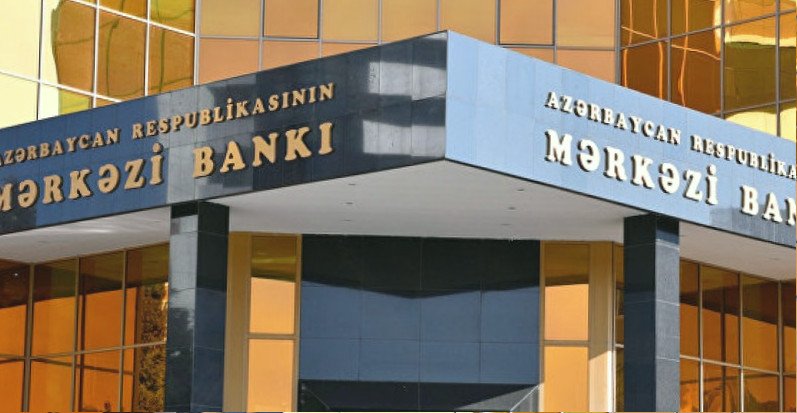
For nations like Israel and Azerbaijan, foreign exchange reserves play a vital role in maintaining economic resilience. Israel, with its export-oriented economy and significant foreign trade, relies on substantial reserves to manage currency fluctuations and support its high-tech industries. The Bank of Israel actively manages its reserves to ensure stability and facilitate international transactions. Similarly, Azerbaijan, as a major oil and gas producer, accumulates significant foreign exchange reserves through its energy exports. The State Oil Fund of the Republic of Azerbaijan (SOFAZ) is a key institution in managing a substantial portion of these reserves, aiming to ensure long-term economic stability and intergenerational equity. The prudent management of these reserves is essential for both countries to navigate global economic uncertainties, finance imports, service external debt, and support economic development initiatives.
In this section of jnews.az, readers will find comprehensive coverage of foreign exchange reserves, including their global trends, impact on national economies, and specific analyses related to Israel and Azerbaijan. We provide updates on central bank policies, changes in reserve holdings, and expert commentary on the implications for financial markets and economic stability. Understanding foreign exchange reserves is key to grasping broader economic dynamics, and our articles offer insights into how these critical assets shape the economic landscape both regionally and globally.