Society
Israel grants tax breaks to residents of these territories
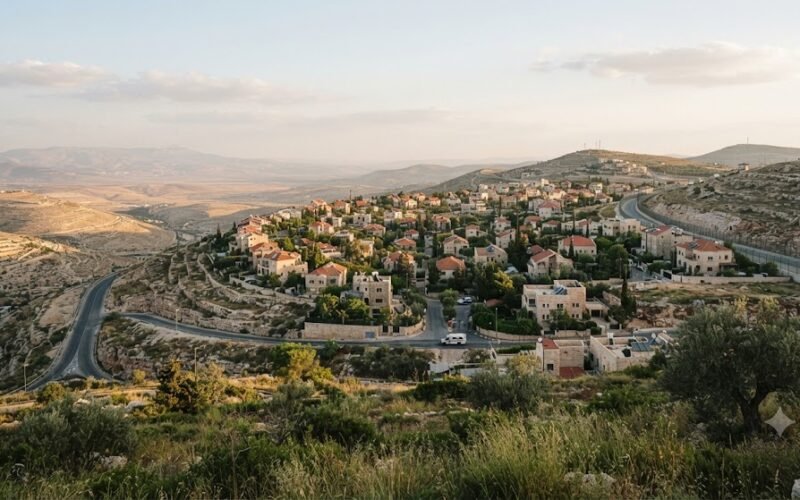
Under a new law passed by the Israeli Knesset in June 2026, residents of several communities in Judea and Samaria (the West…
📅 July 10, 2026, 13:44
The Knesset is the parliament of the State of Israel, playing a key role in the country's political life. It consists of 120 members elected for a four-year term and is responsible for passing laws, overseeing the government, and representing the interests of citizens. The Knesset is a symbol of democracy and diversity in Israel, where various political parties and social movements are represented, including those that reflect the interests of the Jewish community of Azerbaijan.
On our portal jnews.az, you can find current news and articles dedicated to the activities of the Knesset, its influence on the Jewish diaspora, and intercultural dialogue. By discussing the laws and initiatives passed in the Knesset, we aim to show how they reflect the interests of various groups, including Jewish communities outside of Israel. This allows readers to gain a deeper understanding of the political processes and their significance for the Jewish people as a whole.
Under a new law passed by the Israeli Knesset in June 2026, residents of several communities in Judea and Samaria (the West…
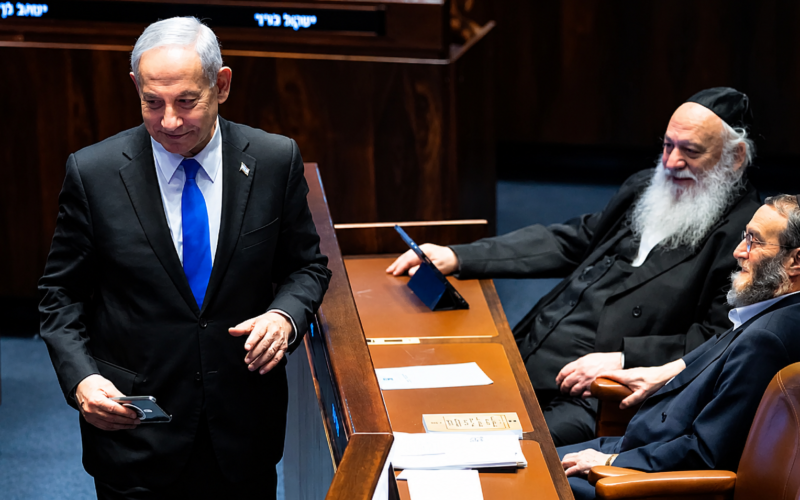
Israel's parliament, the Knesset, has approved a basic law bill on Torah study at its first reading.
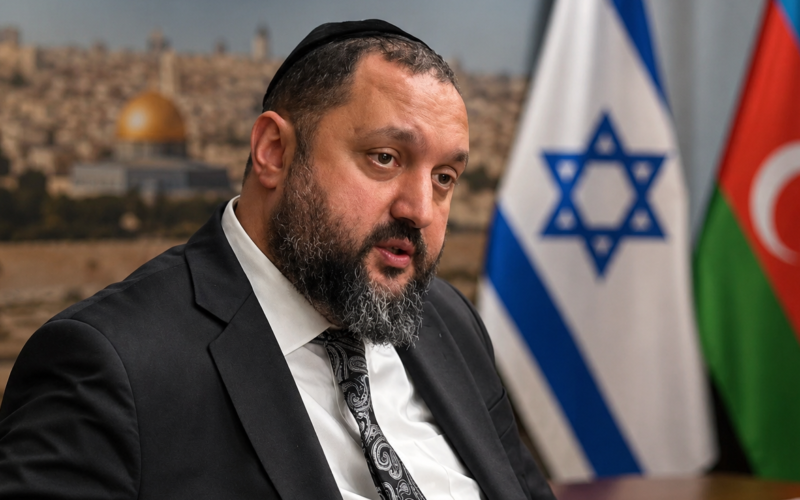
The initiative to recognize the alleged "Armenian genocide," which is planned for discussion in the Knesset, could negatively impact Israel-Azerbaijan relations.
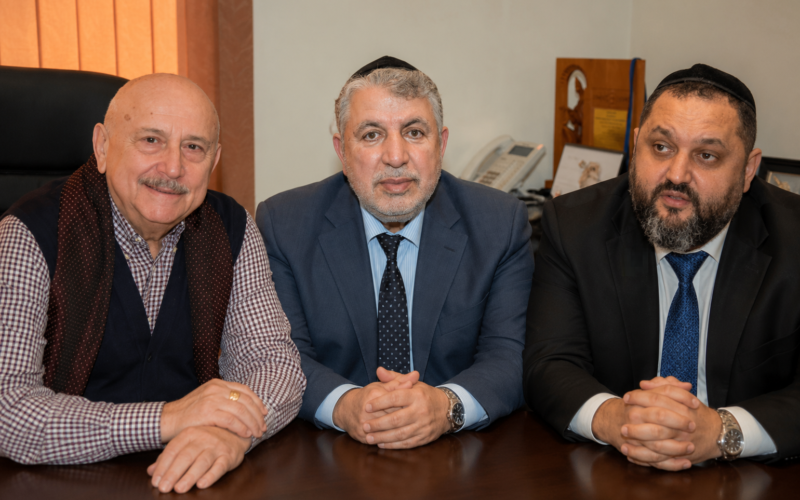
Leaders of three Jewish communities in Azerbaijan have appealed to members of the Israeli parliament, the Knesset, urging them not to support…
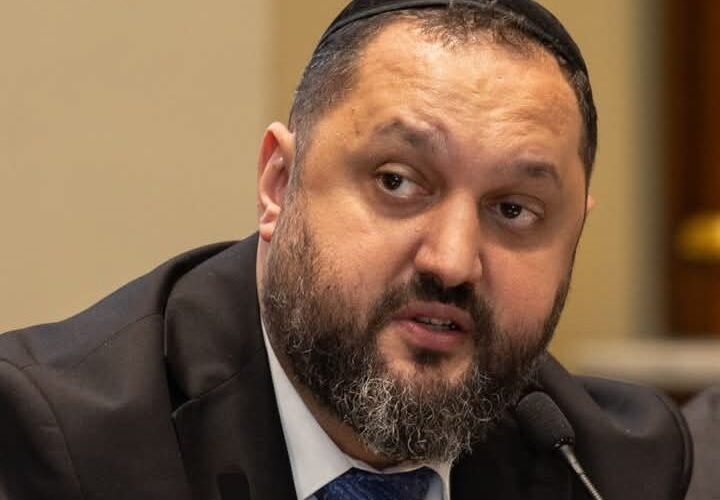
Zamir Isayev, chairman of the Baku Religious Community of Sephardic Jews, has announced his objection to the Israeli government's decision regarding the…
The Knesset is the supreme legislative body of the State of Israel, playing a key role in the country's political system. This body was established in 1949 and has since become a symbol of democracy and representation in Israel. The Knesset consists of 120 members who are elected in general elections, and its activities cover a wide range of issues related to both domestic and foreign policy.
The Knesset was founded in 1949, shortly after the proclamation of Israel's independence. Its name comes from the ancient Hebrew word "knesset," which means "assembly" or "gathering of the people." The first sessions of the Knesset were held in Tel Aviv, but in 1950 it was moved to Jerusalem, which became the capital of Israel.
Throughout its history, the Knesset has undergone numerous changes. Over the years, the rules of elections and the structure of the Knesset itself have changed, reflecting shifts in the political situation in the country. A significant milestone was the adoption of the Basic Law in 1985, which defined the principles of the Knesset's operation and its powers.
The Knesset consists of 120 members elected based on proportional representation. This means that the number of seats obtained by each political party is proportional to the number of votes received in the elections. The main functions of the Knesset include:
The political culture in Israel is characterized by a high degree of citizen involvement in the decision-making process. The Knesset, in turn, reflects this diversity of opinions and interests. Numerous political parties representing various ideologies and interests exist in Israel, making the Knesset a place for active debates and discussions.
The Knesset also plays a crucial role in shaping public opinion and the political climate in the country. Members often propose initiatives related not only to legislation but also to social and cultural issues, making their work relevant to a broad audience.
In the context of the Jewish community of Azerbaijan, the Knesset represents an important symbol of connection with Israel and the Jewish people as a whole. Israel, as a country where the main Jewish cultural and religious traditions are concentrated, has a significant influence on Jewish communities worldwide, including Azerbaijan.
The Knesset actively supports dialogue between various Jewish communities, which is essential for preserving cultural heritage and identity. Interaction with the Knesset, as well as with various Israeli organizations, allows the Jewish community of Azerbaijan to strengthen its ties with its historical homeland.
The Knesset continuously discusses current issues related to both domestic policy and international relations. In recent years, significant topics have included:
In the context of globalization and growing interdependence among states, the role of the Knesset as a legislative body becomes increasingly important. It not only develops laws but also shapes Israel's international relations, which affects Jewish communities worldwide, including Azerbaijan.
The Knesset also actively utilizes modern technologies to enhance the transparency of its work and engage citizens in the decision-making process. This may include online broadcasts of sessions, access to information about bills, and opportunities for citizens to participate in discussions.
The Knesset is not just a legislative body but an important institution that reflects the democratic values of Israel and its commitment to justice and equality. It has a significant impact not only on the internal affairs of the country but also on the status of Jewish communities outside of Israel, including the community of Azerbaijan. In the face of modern challenges and changes in the world, the Knesset continues to be a center of political life and an essential tool for protecting the interests of the Jewish people.