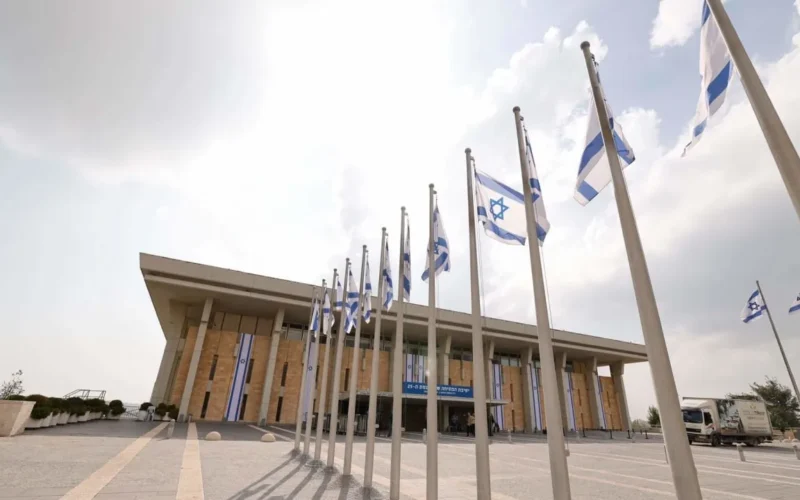
Israel Knesset
The Knesset is the unicameral parliament of Israel, comprising 120 members elected through a system of proportional representation. Established in 1949 following Israeli independence, it serves as the primary legislative body responsible for enacting laws, approving the state budget, and electing the president. The Knesset's composition reflects Israel's diverse political landscape, with parties spanning from left to right on the political spectrum, as well as Arab and Jewish minority representation.
The Knesset plays a central role in Israeli governance and regional politics. Its sessions, debates, and legislative decisions directly impact Middle Eastern affairs, particularly regarding Palestinian relations, security policy, and international diplomacy. The process of government formation following elections often involves complex coalition negotiations among various parties, influencing Israel's domestic and foreign policy directions for the ensuing term.
This section of jnews.az provides comprehensive coverage of Knesset activities, including parliamentary debates, new legislation, political developments, and the positions of Israeli political parties on key issues. Readers will find updates on government formation, security-related legislation, and how Israeli parliamentarians address questions relevant to Israel's Jewish citizens and the broader Jewish diaspora.