
World
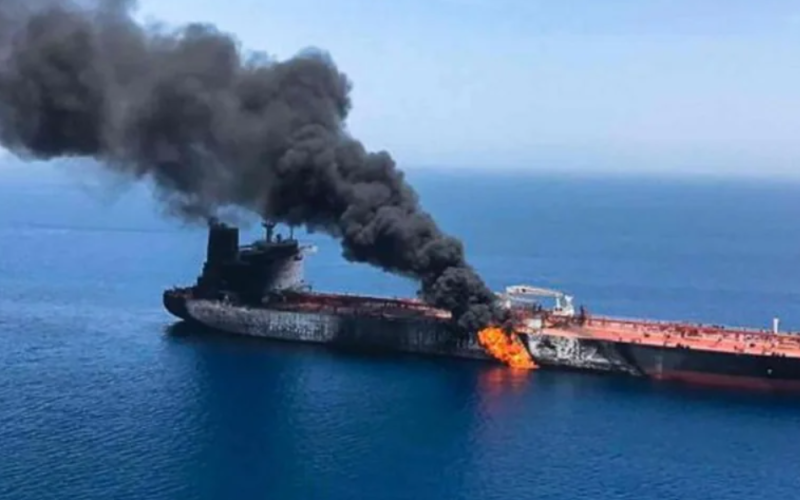
Iranian Drone Strikes Cargo Ship in Strait of Hormuz: UN Halts Evacuation
The security situation in the Strait of Hormuz has once again become tense. After a Singapore-flagged cargo ship was struck by an…
📅 June 26, 2026, 12:18
IMO (International Maritime Organization) is a specialized agency of the United Nations responsible for regulating shipping globally.
The security situation in the Strait of Hormuz has once again become tense. After a Singapore-flagged cargo ship was struck by an…
The International Maritime Organization (IMO) is a specialized agency of the United Nations, established in 1948 and commencing operations in 1959. Its primary role is to develop and maintain a comprehensive regulatory framework for shipping. This includes safety, environmental concerns, legal matters, technical cooperation, maritime security, and the efficiency of shipping. The IMO's mission is to promote safe, secure, environmentally sound, efficient and sustainable shipping through cooperation. Its headquarters are located in London, United Kingdom. The organization currently has 175 Member States and three Associate Members, reflecting its global reach and influence in the maritime sector.
The work of the IMO is crucial for international trade, as over 80% of global trade by volume is carried by sea. The organization adopts numerous conventions, codes, and regulations that govern international shipping, such as the International Convention for the Safety of Life at Sea (SOLAS) and the International Convention for the Prevention of Pollution from Ships (MARPOL). These instruments are vital for ensuring uniformity and compliance across the global fleet. While not directly focused on specific ethnic or religious groups, the IMO's regulations impact all nations involved in maritime activities, including Israel and Azerbaijan, both of which have significant maritime interests and engage in international shipping.
Israel, with its Mediterranean and Red Sea coastlines, relies heavily on maritime transport for its economy and international trade. Azerbaijan, bordering the Caspian Sea, also utilizes maritime routes for its energy exports and trade, connecting it to neighboring countries. As member states, both Israel and Azerbaijan adhere to IMO conventions, ensuring their shipping operations comply with international standards for safety and environmental protection. In this section of jnews.az, readers will find news and updates related to the IMO's activities, its impact on global shipping, and how its regulations affect maritime affairs concerning Israel, Azerbaijan, and the broader international community, including developments relevant to Jewish communities with maritime connections.