Hezbollah: A Complex Organization in the Middle East
Hezbollah, also known as the Party of God, is a Shiite Muslim political and militant group based in Lebanon, founded in the early 1980s during the Lebanese Civil War. Its primary mission is to resist Israeli influence and occupation, claiming to protect Lebanon's sovereignty. Over the decades, Hezbollah has evolved into a multifaceted organization, combining military, social, and political elements. It operates a network of social services, including schools and hospitals, which has garnered significant support among the Lebanese population.
Hezbollah's role extends beyond Lebanon, as it has been involved in various regional conflicts, aligning itself with Iran and Syria. The organization is often viewed through the lens of its military activities, particularly its confrontations with Israel, yet its political influence within Lebanese governance is equally significant. Understanding Hezbollah is crucial for grasping the complex dynamics of Middle Eastern politics and the ongoing challenges in Israeli-Arab relations.
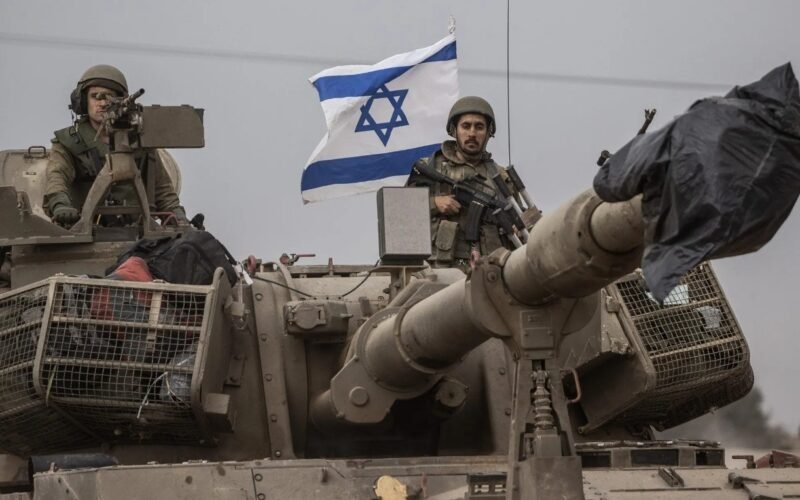
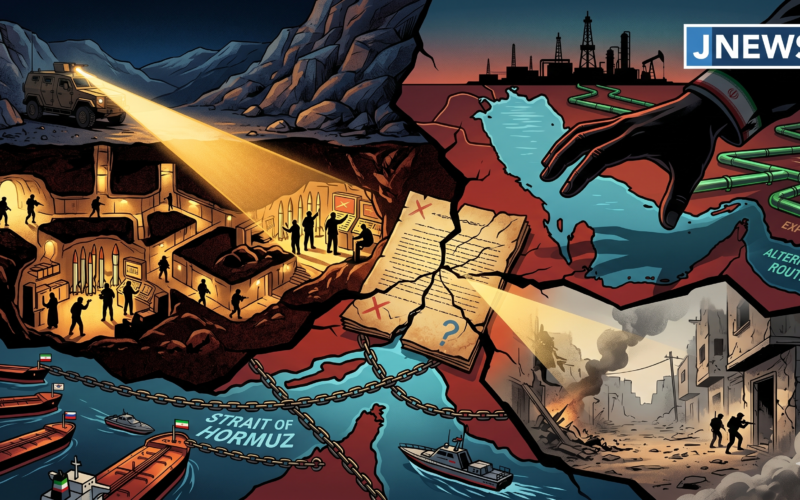
Israeli forces have discovered and encircled a major Hezbollah underground complex in southern Lebanon. Tensions between Iran and the United States are…
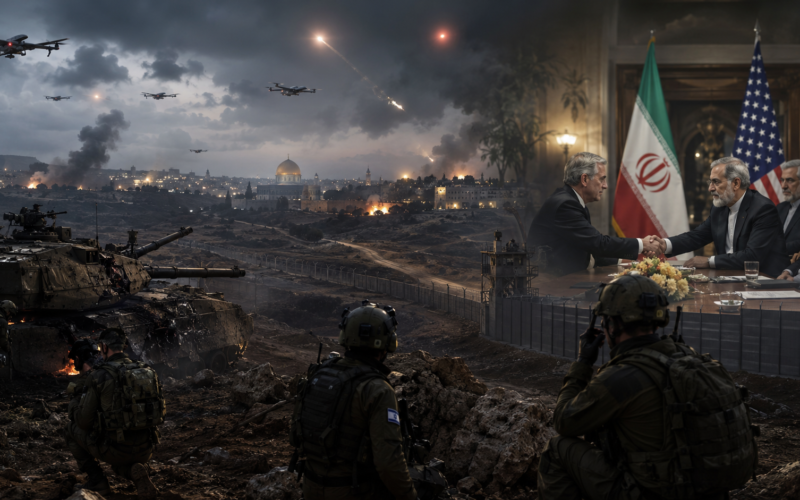
Iranian officials stated their readiness to launch missiles at Israel if the aggression against Lebanon does not stop, despite the previously announced…
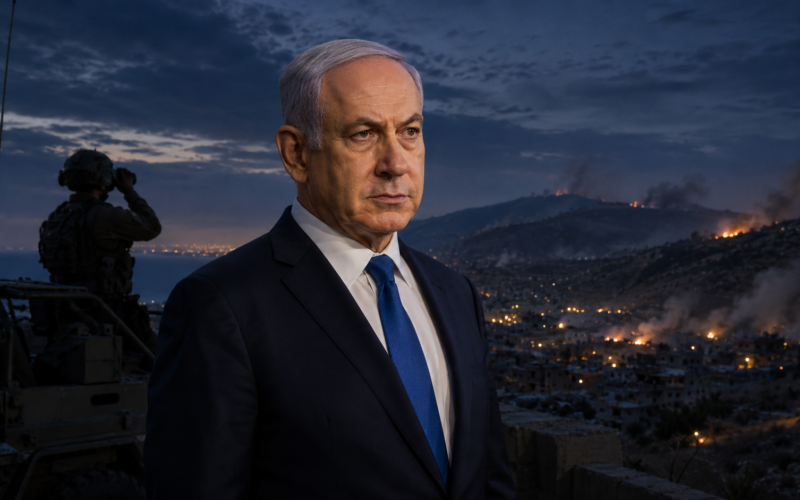
Israeli Defense Minister Israel Katz declared that Israel has no intention of withdrawing from the security zones created in Gaza, Lebanon, and…
📅 June 19, 2026, 13:08
Hezbollah: An Overview
Hezbollah, also known as the Party of God, is a Shiite Muslim political and militant organization based in Lebanon. Established in the early 1980s, Hezbollah emerged during the Lebanese Civil War and has since evolved into a significant political and military force within the region. The organization is known for its complex relationship with various political entities and has played a crucial role in shaping Lebanon's modern history. This text explores Hezbollah's history, mission, current role, and its implications in the broader context of Middle Eastern politics, particularly regarding the Jewish community in Azerbaijan and its connections to Israel.
Historical Context
Hezbollah was founded in the early 1980s, primarily as a response to the Israeli invasion of Lebanon in 1982. The organization was created by a group of Lebanese Shiite clerics, activists, and members of the Iranian Revolutionary Guard, aiming to resist Israeli occupation and promote Shiite interests in Lebanon. Initially, Hezbollah focused on guerrilla warfare against Israeli forces, employing tactics such as ambushes and bombings. Over the years, it has developed a sophisticated military apparatus, including a well-trained militia and extensive logistical networks.
In addition to its military activities, Hezbollah has established a significant political presence in Lebanon. The organization participated in the Lebanese parliamentary elections, securing seats and forming alliances with other political factions. This dual role as both a political party and a militant group has led to ongoing debates about its legitimacy and the implications for Lebanon's sovereignty.
Mission and Ideology
Hezbollah's mission is rooted in its ideological commitment to resistance against Israel and the promotion of Shiite Islam. The organization views itself as a defender of Lebanon's sovereignty and a protector of the Shiite community. Its ideology is heavily influenced by the teachings of Ayatollah Khomeini, the founder of the Islamic Republic of Iran, emphasizing anti-Zionism and anti-imperialism.
Hezbollah's charter outlines its goals, which include:
Resistance against Israeli occupation and aggression.
Support for the Palestinian cause and the establishment of a sovereign Palestinian state.
Promotion of Islamic values and the implementation of Shari'a law in Lebanon.
Strengthening ties with Iran and other Shiite groups in the region.
Current Role and Influence
In contemporary times, Hezbollah has solidified its position as a key player in Lebanese politics and regional dynamics. The organization has engaged in various military conflicts, most notably the 2006 Lebanon War against Israel, which further enhanced its profile as a resistance movement. Hezbollah's military capabilities are often seen as a deterrent against potential Israeli incursions and are supported by significant funding and military aid from Iran.
Hezbollah also plays a critical role in regional conflicts, particularly in Syria, where it has supported the Assad regime in the ongoing civil war. This involvement has resulted in increased tensions with various opposition groups and has drawn international scrutiny. The organization's actions in Syria have raised concerns among neighboring countries, including Israel and Saudi Arabia, regarding the balance of power in the region.
Implications for the Jewish Community in Azerbaijan
The activities and ideology of Hezbollah have significant implications for Jewish communities around the world, including the Jewish community in Azerbaijan. Azerbaijan, a predominantly Muslim country, has maintained a relatively cordial relationship with its Jewish population, which has a long history in the region. However, the rise of militant organizations like Hezbollah and their anti-Zionist rhetoric can create an atmosphere of tension and insecurity for Jewish communities in predominantly Muslim countries.
Hezbollah's stance against Israel often resonates with certain segments of the population in the Middle East, potentially leading to increased anti-Semitism and hostility towards Jewish communities. The Azerbaijani government, recognizing the importance of maintaining stability and promoting interfaith dialogue, has actively sought to protect its Jewish population from the repercussions of regional conflicts.
International Response and Designation
Hezbollah's activities have drawn significant attention from the international community. Many countries, including the United States and several European nations, have designated Hezbollah as a terrorist organization due to its militant actions and involvement in attacks against civilians. This designation has led to increased scrutiny of the organization's funding sources and operations, as well as efforts to counter its influence in the region.
In contrast, some countries, particularly Iran and Syria, continue to support Hezbollah, viewing it as a legitimate resistance movement against Israeli aggression. This division in international perspectives complicates efforts to address the broader Israeli-Palestinian conflict and stability in Lebanon.
Conclusion
Hezbollah remains a powerful and influential organization in Lebanon and the broader Middle East. Its dual role as a political party and militant group has significant implications for regional stability and the dynamics of Israeli-Lebanese relations. For the Jewish community in Azerbaijan, understanding Hezbollah's ideology and actions is crucial in navigating the complexities of interfaith relations and promoting dialogue amid a challenging geopolitical landscape.
As the situation in the Middle East continues to evolve, the role of Hezbollah will likely remain a focal point in discussions about peace, security, and the future of Jewish communities in the region. Awareness and understanding of such organizations are essential for fostering cooperation and dialogue among diverse communities.