
Economy
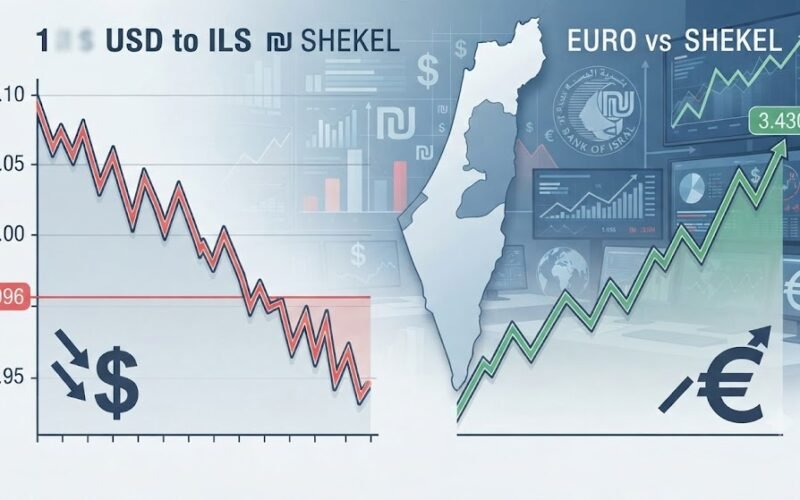
Dollar weakens in Israel’s economy: drops below 3 shekels
Israel's financial markets recorded a historic reversal today. According to official data released by the Bank of Israel, the US dollar has…
📅 July 3, 2026, 15:26
Euro is the official currency of 20 EU member states. This section covers eurozone monetary policy, exchange rates, economic developments, and the euro’s role in global finance and Jewish communities across Europe.
Israel's financial markets recorded a historic reversal today. According to official data released by the Bank of Israel, the US dollar has…
The euro is the official currency of the eurozone, encompassing 20 European Union member states with a combined population of over 340 million people. Introduced in 1999 as an electronic currency and entering circulation in 2002, the euro represents one of the world's most significant monetary unions. It serves as a medium for trade, investment, and economic cooperation across the European continent, facilitating seamless transactions for businesses and citizens alike.
The European Central Bank manages the euro's monetary policy, setting interest rates and ensuring financial stability throughout the eurozone. The currency's strength and stability have made it a key reserve currency alongside the US dollar. Economic developments in eurozone countries—including inflation rates, employment figures, and debt levels—directly impact the euro's valuation on global markets and influence trade relationships worldwide.
For Jewish communities and Israeli businesses operating in Europe, the euro's exchange rate and economic stability are vital considerations. This section covers currency movements, eurozone economic policy, banking developments, and how European monetary conditions affect Jewish institutions, trade, and diaspora communities across the continent and their connections with Israel.