
World
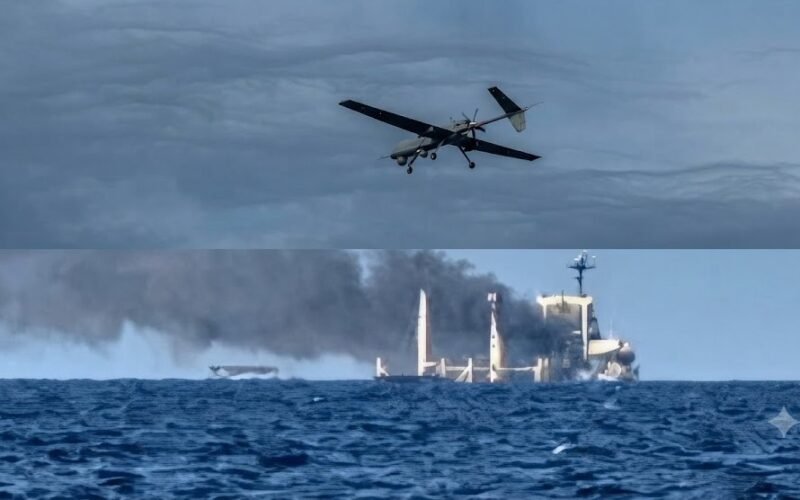
War reaches Caspian Sea: Ukraine strikes Iranian ship
Ukraine announced it struck an Iranian-flagged ship in the Caspian Sea with a long-range drone. This incident is considered a notable development…
📅 July 27, 2026, 13:15
Caspian Sea coverage includes news and analysis on regional politics, energy resources, environmental issues, and maritime developments affecting Azerbaijan and surrounding nations in this strategically important body of water.
Ukraine announced it struck an Iranian-flagged ship in the Caspian Sea with a long-range drone. This incident is considered a notable development…
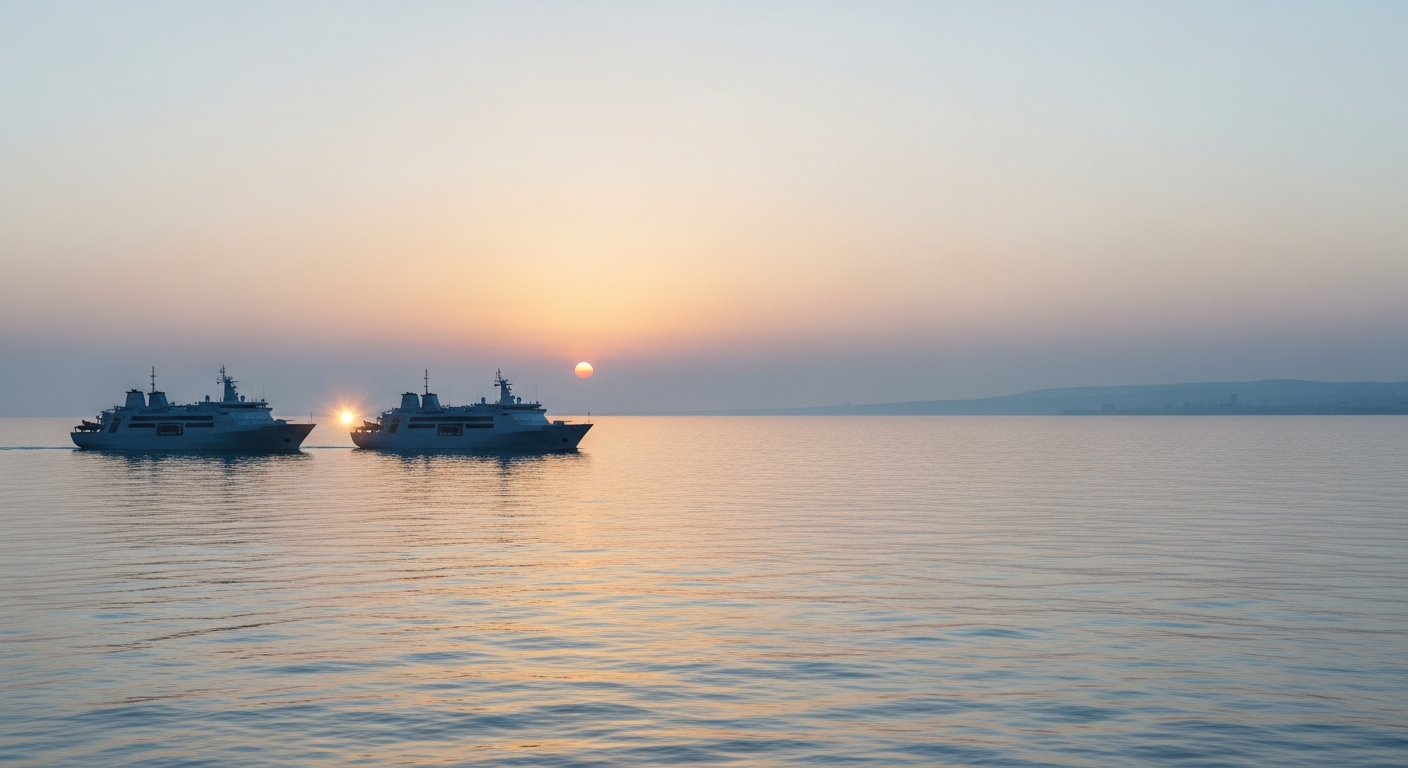
Uzbekistan and Azerbaijan are pressing ahead with plans to establish a joint naval fleet on the Caspian Sea.
The Caspian Sea is the world's largest enclosed inland body of water, bordered by Azerbaijan, Russia, Kazakhstan, Turkmenistan, and Iran. As a crucial economic and geopolitical region, it holds vast oil and natural gas reserves that have shaped regional development and international relations for decades. The sea's resources remain central to energy security in the South Caucasus and beyond.
For Azerbaijan, the Caspian Sea represents a vital lifeline. The country's economy relies heavily on offshore oil and gas production, with major fields like Azeri-Chirag-Gunashli providing significant national revenue. These energy resources have enabled infrastructure development, international partnerships, and economic growth, making the Caspian a cornerstone of Azerbaijani prosperity and regional influence.
This section covers news and developments related to Caspian Sea issues: energy projects, environmental concerns, maritime disputes, shipping activities, and regional cooperation. Readers will find updates on Azerbaijan's role in Caspian affairs, bilateral relations with neighboring states, and international initiatives affecting this strategically important region.