Shirvanshahs' Palace
Not one building but a city within a city: a palace, a council hall, two tombs, a mosque, a bathhouse and a reservoir — on three levels of the hill.
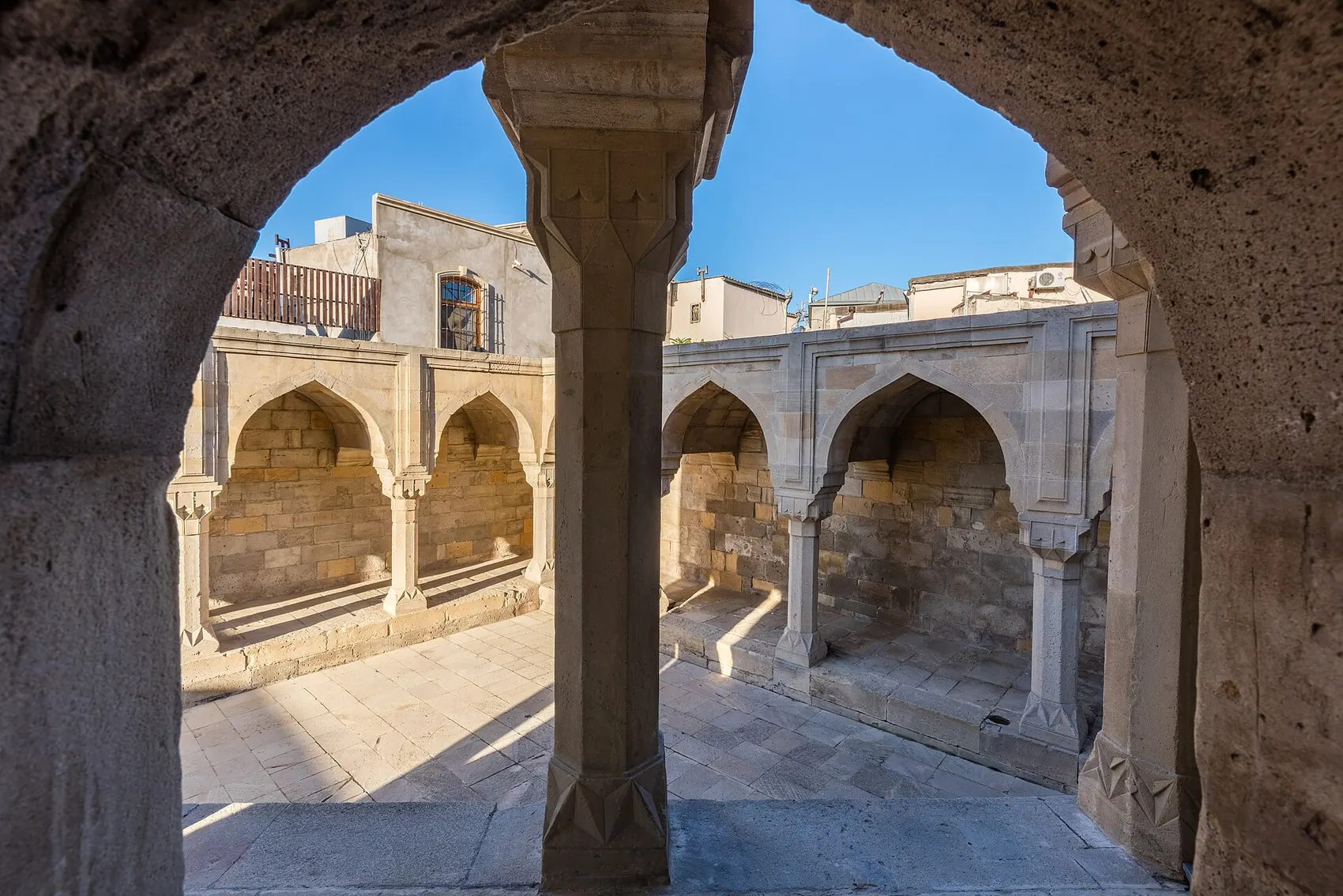
How the complex is arranged
The palace occupies one of the hills of İçərişəhər and spreads over three inner courtyards at different levels, joined by a common wall. At the top are the palace itself and the Divankhana. Below are the palace mosque with its minaret and the Shirvanshahs' tomb, the türbe. Lower still are the bathhouse and the covered well.
The complex was founded in the 12th century and finished in the 15th under Khalilullah I, when Baku was the capital of the Shirvanshah state. He built the tomb for his mother and son; the palace itself declined after the Safavids took Baku in 1501.
The complex also holds the “Bayil stones” — slabs with relief inscriptions and images from the 13th-century Bayil castle, now under the sea.
What to see inside
An octagonal stone pavilion under a dome in the middle of a courtyard, ringed by an arcade. It is called both the tomb of Farrukh Yasar and a council hall — its purpose is disputed.
Built by Khalilullah I for his mother and son; the first of the dynasty buried there was Khalilullah himself.
Rectangular in plan, with a large hall and a small women's prayer room; the minaret ends in a stalactite cornice with an inscription in naskh script running below it.
The tomb of the court astrologer Seyid Yahya Bakuvi in the middle courtyard, known popularly as “the dervish's mausoleum”.
The only 16th-century monument in the complex, raised in honour of Sultan Murad III — a trace of the Ottoman period in the city.
The palace bathhouse of 26 rooms lay buried and was found in the excavations of 1947 and 1958–1962; water came from the nearby well. Sources disagree on the date: the 15th or the 17th century.
Stone instead of tilework
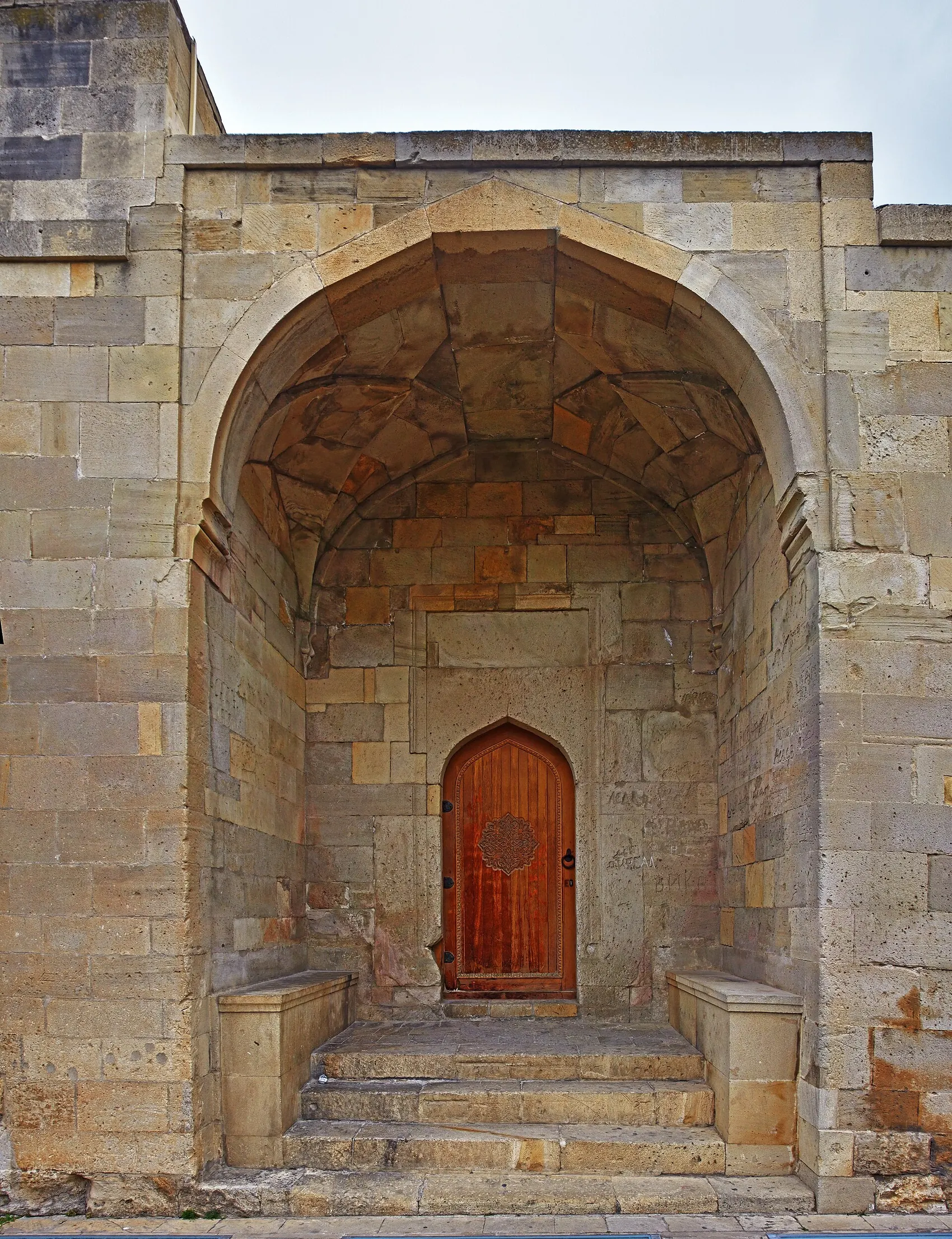
The Shirvan school worked in stone: instead of the coloured facing common in Central Asia there is carving, stalactite cornices and precise masonry of local limestone. The portals read as the only ornament of the façade — and that is enough.
The palace is a museum: halls, inscriptions and finds are open to visitors, and the plan of the bathhouse was recovered thanks to the conservation of the lower courses of its walls.
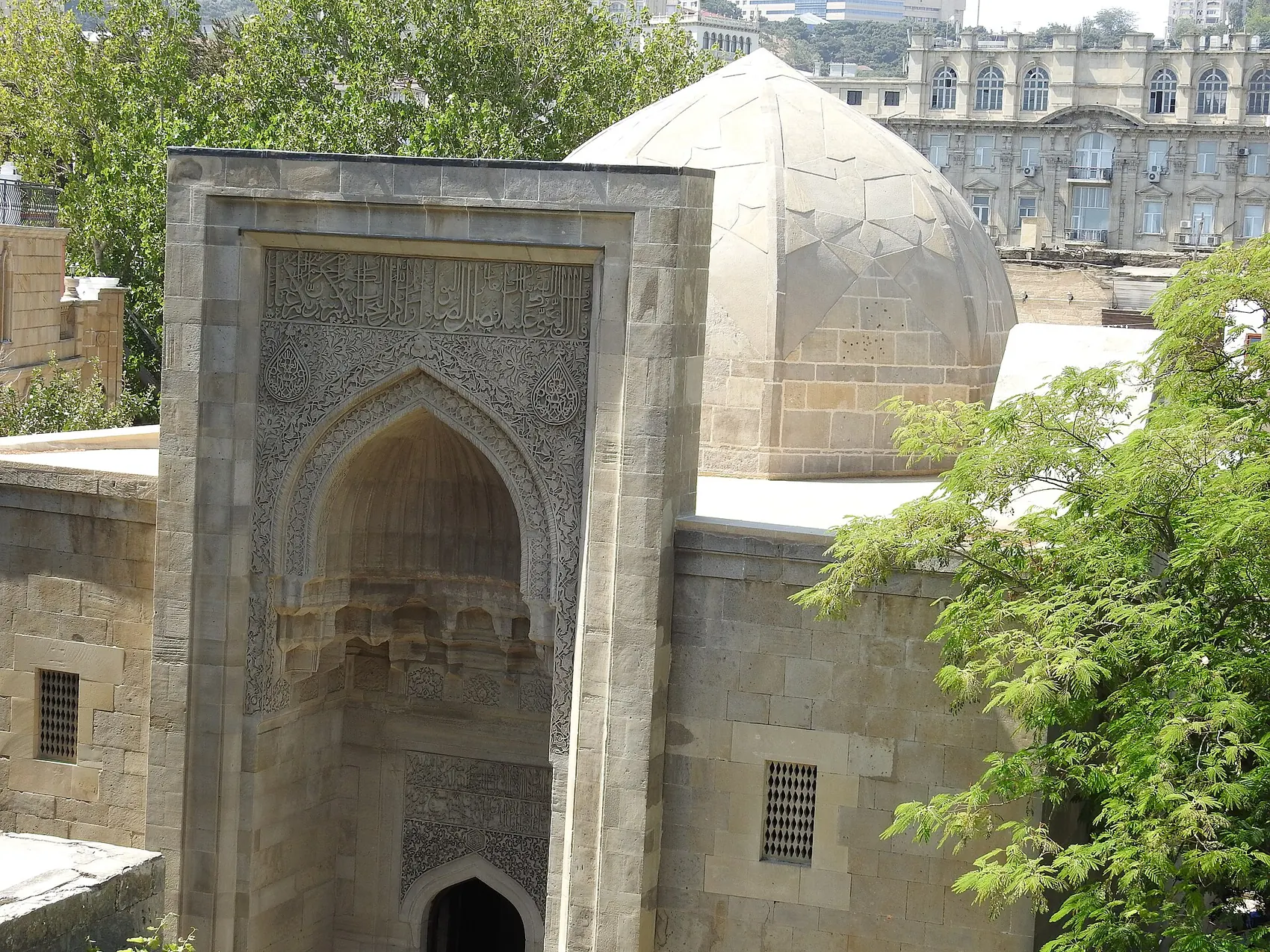
The tomb and its inscriptions
The türbe is a rectangular building under a hexagonal tent roof with a carved portal. The inscriptions name the patron and date the work to the reign of Khalilullah I.
Beside the tomb stands the palace mosque; the passage between courtyards was arranged so that the palace household descended to the mosque through a semi-underground corridor, while the northern portal faced the tomb.
Baku.ws news
The feed of the news portal
 EconomyAzerbaijani oil has become cheaper909080808010:09
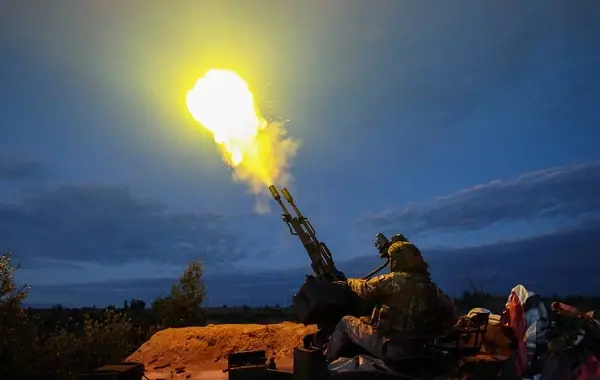 WorldThe number of drones shot down on approach to Moscow has risen to 103, three people injured10:00
 PoliticsDeputy: Statements by Russian officials directed at Azerbaijan entail legal liability23:57
 WorldTrump doubts Iran's readiness to sign a deal with the US23:56
Headlines and photographs come from baku.ws; the feed was updated on 18 August 2026. The links lead to the publisher's site.
Sources
Facts were checked against Wikipedia articles in four languages, the UNESCO World Heritage entry and the site of the Reserve administration. Where sources disagree, both versions are given.