
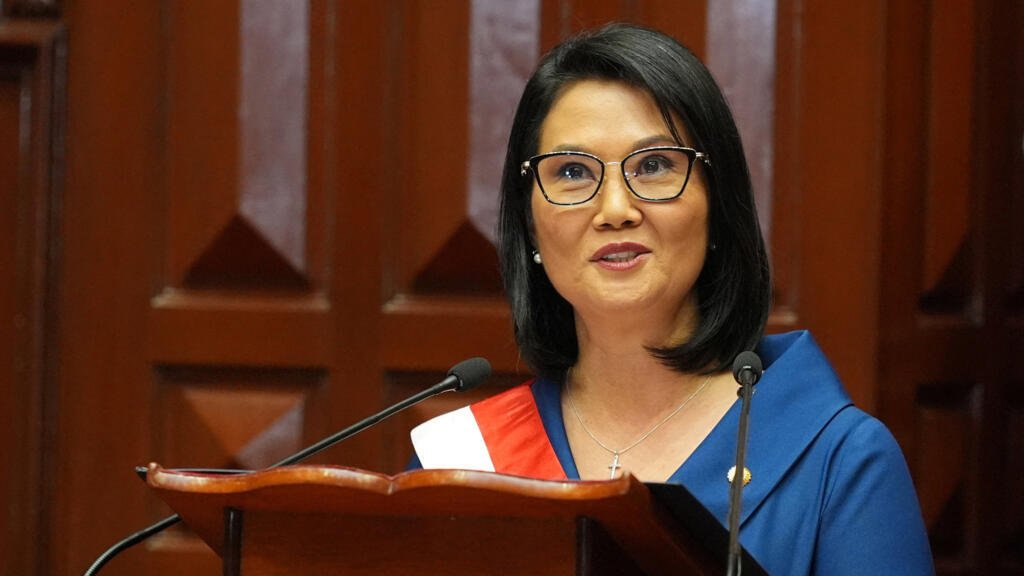
Keiko Fujimori’s inauguration as President marks not only a change of government but also a response to the political crisis Peru has experienced over the past decade. Her victory by a margin of only about 50,000 votes demonstrates that Peruvian society is almost evenly divided between two political camps.
Why Is Peru Facing a Political Crisis?
Over the last ten years, Peru has become one of the most politically unstable countries in Latin America. During this period, presidents have resigned, been removed through impeachment, or been replaced following early elections. Fujimori is the country’s ninth (according to some estimates, tenth) president during this period. This highlights that Peru’s main challenge is not only who holds power, but also the weakness of its state institutions.
Security Is the New President’s Top Priority
During her election campaign, Fujimori identified public security as her top priority. Peru is currently facing rising drug trafficking, illegal gold mining, and organized crime. She plans to expand the powers of the police and the military, introduce tougher measures against criminal organizations, and implement security policies inspired by El Salvador’s model. While these measures could help reduce crime, they may also spark new debates over human rights.
Plans to Boost the Economy
Economically, Fujimori presents herself as a pro-business leader. She has pledged to increase private investment, particularly in the mining sector, expand infrastructure projects, and raise the minimum wage. Peru is one of the world’s largest copper producers, and the new government intends to use this potential to accelerate economic growth.
The Shadow of the Fujimori Family
At the same time, her presidency carries significant political risks. Fujimori is the daughter of former President Alberto Fujimori, whose legacy remains deeply divisive in Peru. Supporters view him as the leader who successfully fought terrorism, while critics associate him with human rights abuses and corruption. As a result, every move made by the new president will be judged not only on political grounds but also through the lens of her family’s historical legacy.
What Lies Ahead for Peru?
Fujimori’s victory is also seen as part of a broader trend of growing support for right-wing and conservative forces across Latin America. In recent years, voters in several countries across the region have increasingly prioritized public security, economic stability, and tougher governance.
As a result, Keiko Fujimori faces two major challenges: reducing crime and political instability while also bringing together a society deeply divided after the election. If she succeeds, Peru could enter a more stable political era after years of turmoil. Otherwise, the country may face another period of political confrontation.
Source: france24.com