

World
Great Britain declares IRGC a threat to national security
Great Britain has officially recognized Iran's Islamic Revolutionary Guard Corps (IRGC) as a threat to the country's national security.
📅 July 20, 2026, 11:30
Great Britain has officially recognized Iran's Islamic Revolutionary Guard Corps (IRGC) as a threat to the country's national security.

US Secretary of State Marco Rubio has commented on Iran's economic situation. He stated that although Iran is a wealthy country, its…
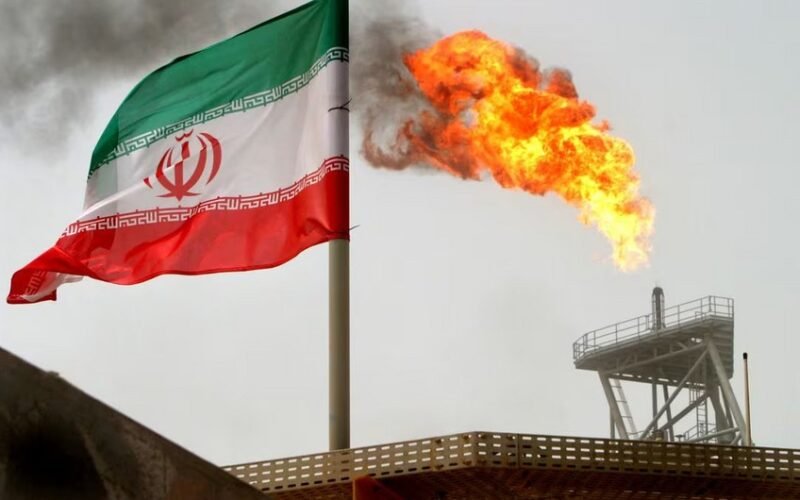
Iran has directed billions of dollars earned from oil exports during a period of temporary U.S. sanctions relief into the state budget.
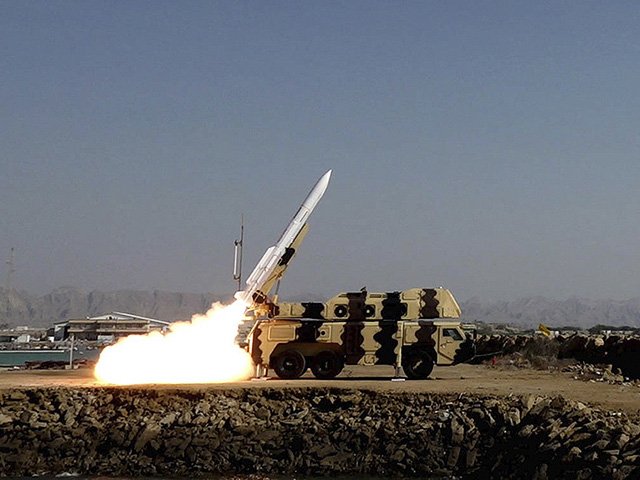
Iran has carried out an aerial attack on Kuwait using missiles and drones. The Al-Aidari military base and the Ali Al-Salem airbase…
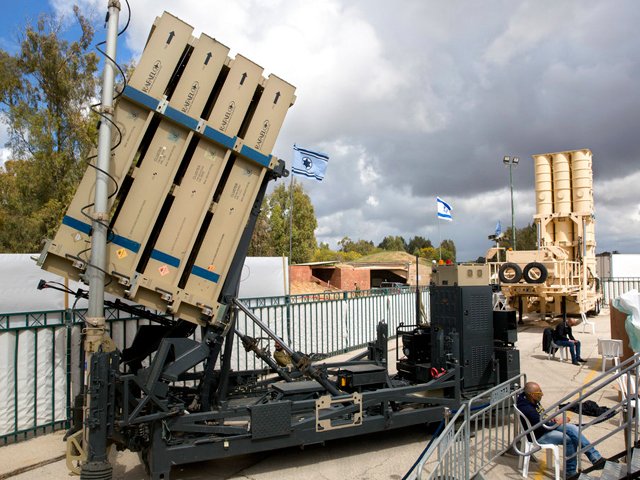
The Israel Defense Forces have been placed on high alert due to fears of a surprise attack from Iran. The country's military…
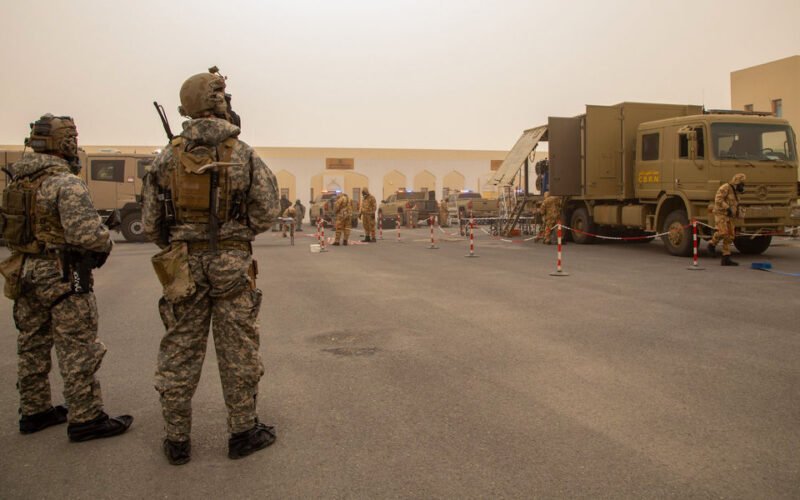
The US Central Command has confirmed the death of two American military personnel and the disappearance of another following an Iranian attack…

The Iranian judiciary has launched a major legal process against Crown Prince Reza Pahlavi and about 300 journalists, accusing them of treason,…
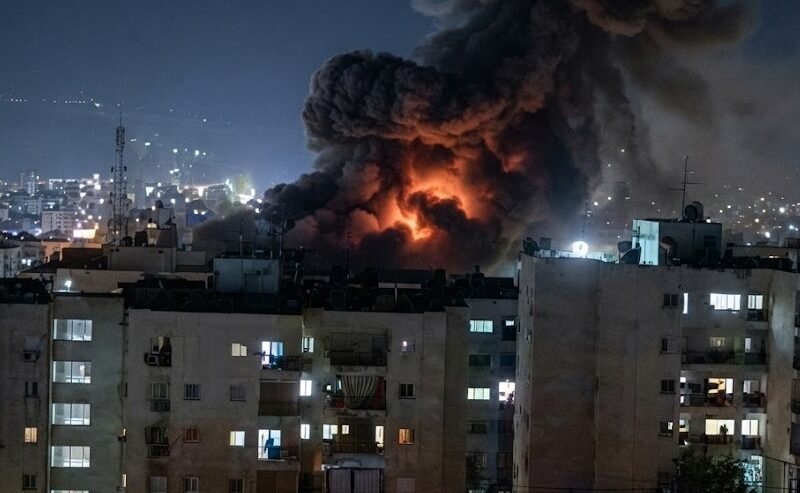
Overnight, US forces launched heavy airstrikes on bases of the Islamic Revolutionary Guard Corps (IRGC) located in the cities of Bandar Abbas,…

The administration of U.S. President Donald Trump is planning to expand its military operation against Iran. Leadership in Tehran has already warned…
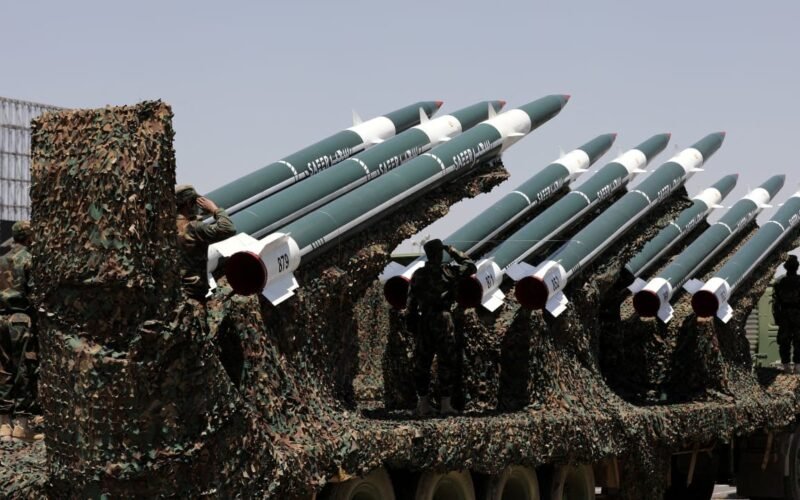
Iran's Islamic Revolutionary Guard Corps (IRGC) reported an attack on a US command center within Syrian territory.
Iran, historically known as Persia, is a country located in Western Asia. It is bordered by Armenia, Azerbaijan, Turkmenistan, Afghanistan, and Pakistan, with the Persian Gulf to the south and the Caspian Sea to the north. With a rich history that spans thousands of years, Iran has been a cradle of civilization, contributing significantly to art, science, and philosophy. This discussion will explore Iran's historical and cultural significance, touching upon its relevance to the Jewish community in Azerbaijan and the broader context of Jewish history.
Iran has a storied past that dates back to the ancient Achaemenid Empire, which was founded by Cyrus the Great in the 6th century BCE. This empire is notable for establishing one of the first human rights charters and for its respect for the cultures of the peoples it conquered. Over the centuries, Iran has seen various dynasties rise and fall, including the Parthians, Sassanids, and later the Islamic Caliphates, each leaving an indelible mark on the country's cultural landscape.
The Jewish presence in Iran is ancient, with roots tracing back to the time of the Babylonian Exile in the 6th century BCE. Throughout the centuries, Jews in Iran have experienced periods of prosperity and adversity, often influenced by the ruling empires and their policies toward religious minorities.
Historically, the Jewish community in Iran has been one of the oldest in the world. The community thrived during the Achaemenid Empire, and later during the Safavid period, when Jews were granted a certain degree of autonomy. However, the 20th century brought significant challenges, especially with the rise of the Islamic Republic in 1979. Many Jews emigrated from Iran during this time, seeking refuge in countries like the United States and Israel.
Despite these challenges, a small Jewish community remains in Iran today, primarily in cities like Tehran and Isfahan. This community continues to practice Judaism openly, maintaining synagogues and schools, and it plays a unique role in the interfaith dialogue within the country.
Iran's geopolitical significance cannot be overstated. It sits at a critical junction between the Middle East and Central Asia, making it a key player in regional politics. The country has been involved in various conflicts and diplomatic negotiations, particularly concerning its nuclear program and its relationships with Western nations and neighboring countries.
For Azerbaijan, Iran shares a border and has a complex relationship influenced by ethnic ties, economic interests, and historical connections. The Jewish community in Azerbaijan has historically had interactions with Iranian Jews, and cultural exchanges have enriched both communities.
The historical connections between the Jewish communities of Iran and Azerbaijan are rich and multifaceted. Many Jews from Iran migrated to Azerbaijan over the centuries, especially during periods of persecution. This migration helped to create a vibrant Jewish diaspora in Azerbaijan, which has contributed to the cultural and social fabric of the country.
In Azerbaijan, the Jewish community is recognized for its contributions to the country's culture and history. The government supports the preservation of Jewish heritage, including synagogues and cultural sites, which reflect the longstanding presence of Jews in the region.
In recent years, Iran and Azerbaijan have sought to strengthen their diplomatic and economic ties. This relationship is particularly important for the Jewish communities in both countries, as it provides a platform for cultural exchange and dialogue. Events celebrating Jewish heritage, such as festivals and interfaith dialogues, are opportunities for fostering understanding and cooperation.
Additionally, the Jewish community in Azerbaijan often engages with Iranian Jews, sharing cultural practices, religious observances, and social initiatives. This connection highlights the importance of cultural heritage and shared history in promoting peace and understanding in the region.
Iran is home to a wealth of cultural heritage, including UNESCO World Heritage Sites such as Persepolis, the ancient ceremonial capital of the Achaemenid Empire, and the stunning mosques and palaces of Isfahan. The country is also known for its contributions to literature, philosophy, and the arts, with figures like Rumi and Hafez being celebrated worldwide.
The cultural richness of Iran is reflected in its diverse population, which includes various ethnic groups, languages, and religions. This diversity is crucial for understanding the complexities of Iranian society and its interactions with neighboring countries, including Azerbaijan.
Iran is predominantly Shia Muslim, but it is also home to various religious minorities, including Jews, Christians, Zoroastrians, and Baha'is. The presence of these communities contributes to the rich tapestry of Iranian society and presents opportunities for interfaith dialogue.
Efforts to foster interfaith dialogue in Iran have included initiatives aimed at promoting understanding between different religious groups. These dialogues are essential for building bridges and addressing misconceptions, particularly in a region often characterized by conflict and division.
As the geopolitical landscape continues to evolve, the future of Jewish-Iranian relations remains uncertain. However, the historical ties and cultural exchanges between the Jewish communities in Iran and Azerbaijan offer hope for continued dialogue and cooperation. By recognizing their shared history and cultural heritage, both communities can work towards a more harmonious future.
In conclusion, Iran's historical, cultural, and geopolitical significance is profound. The connections between the Jewish community in Azerbaijan and Iran illustrate the importance of understanding and preserving cultural heritage. As both countries navigate the complexities of modern geopolitics, the legacy of their shared history can serve as a foundation for fostering mutual respect and cooperation.