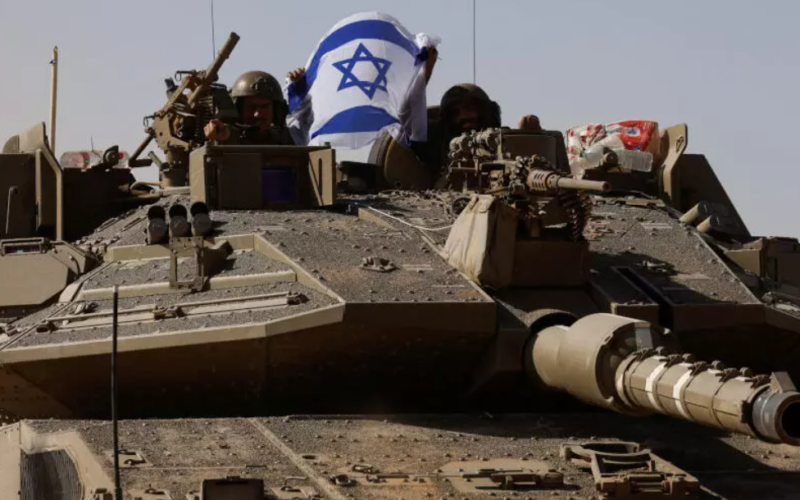
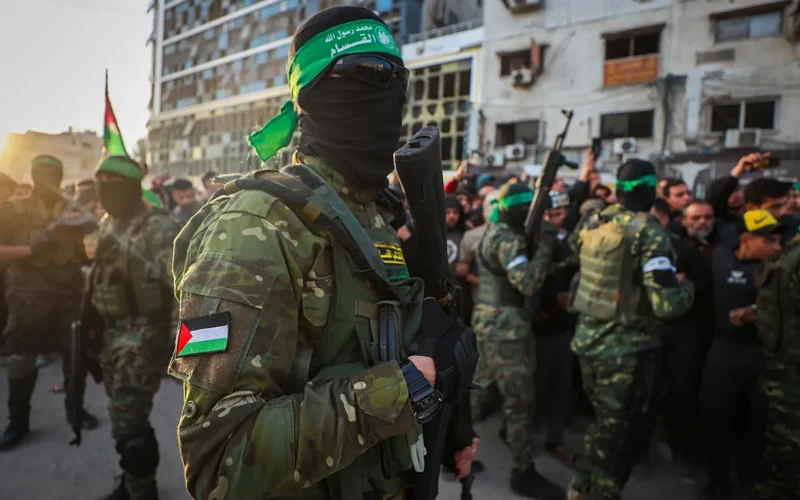
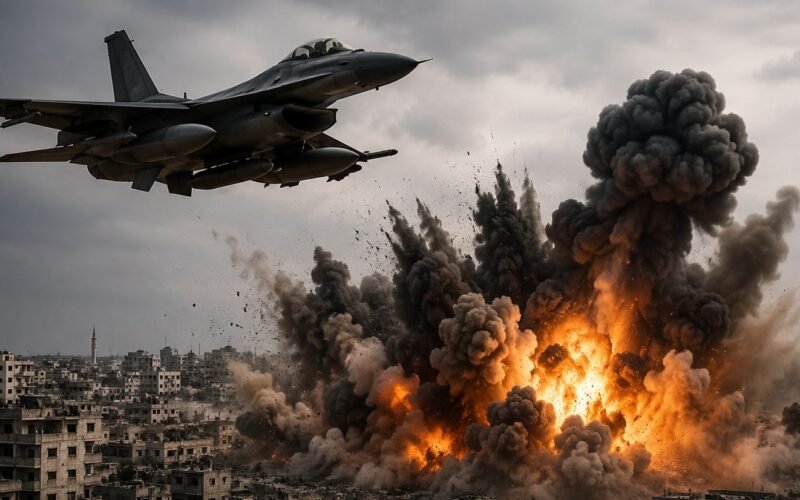
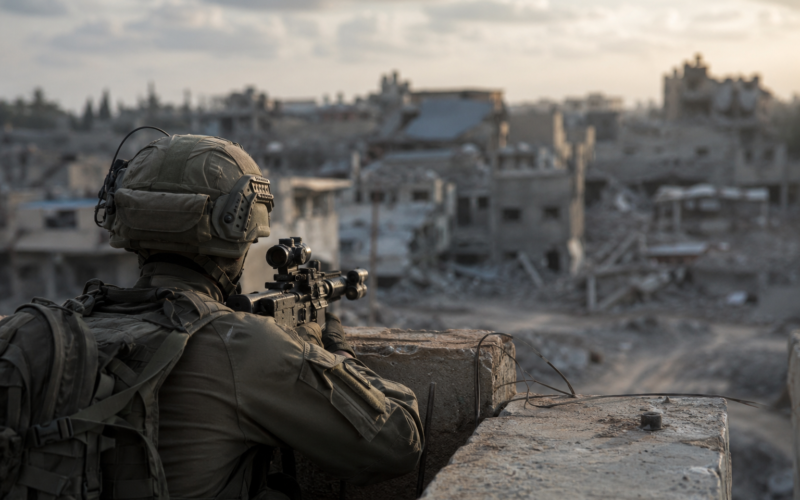
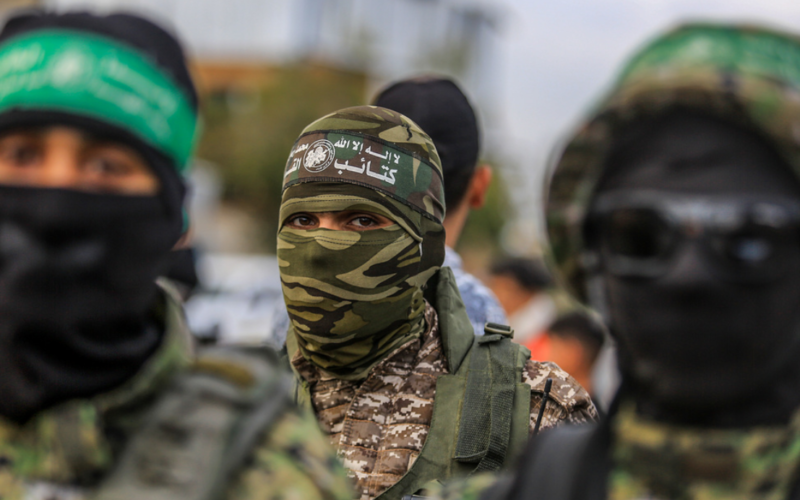
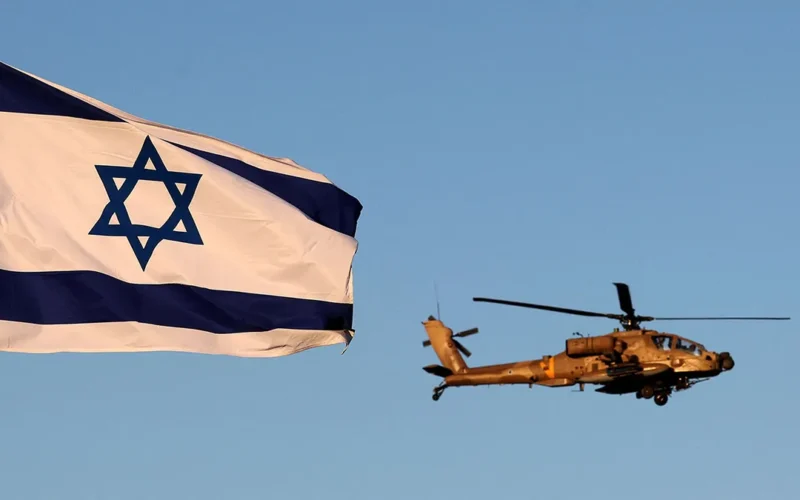
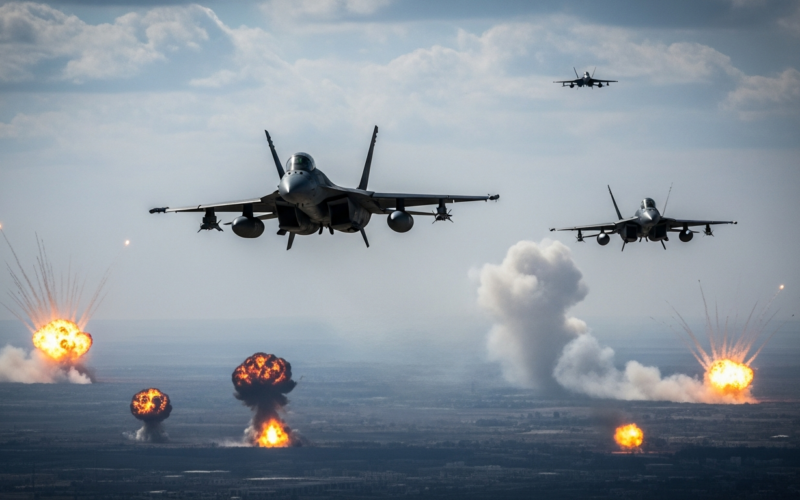
HAMAS is a Palestinian Islamic organization founded in 1987, which actively participates in both political and military activities. The primary goal of HAMAS is to establish an independent Palestinian state, making it a key player in the conflict between Israel and Palestine. The organization was created in the context of the first intifada and has since significantly strengthened its position in Gaza, where it controls governance and social services.
HAMAS is also known for its military actions and conflicts with Israel, which resonate widely on the international stage. It is important to note that HAMAS is perceived differently by various countries and organizations: some consider it a terrorist group, while others view it as a resistance movement. The influence of HAMAS on the political situation in the region continues to be a subject of discussion, making it an important object of analysis for those interested in issues of Judaism, intercultural dialogue, and politics in the Middle East.
Hamas is preparing to formally announce the dissolution of the administrative structure that has been performing de facto government functions in Gaza…
The Israel Defense Forces (IDF) announced the elimination of two commanders of the "Nukhba" special forces units of Islamic Jihad and Hamas…
📅 June 21, 2026, 23:19
HAMAS: History and Modern Role of the Organization
HAMAS is a Palestinian Islamist organization founded in 1987 during the First Intifada. The full name of the organization translates to "Islamic Resistance Movement." HAMAS emerged as a response to the occupation of Palestinian territories and became one of the key forces in the Palestinian independence movement. The organization has both a political and a military wing, making it one of the most controversial and discussed groups in the Middle East.
History of Creation and Development
HAMAS was formed in the context of growing discontent among Palestinians regarding the Israeli occupation. Initially, the organization operated as a charitable structure, providing social services and assistance to the population in the Gaza Strip. However, after the start of the First Intifada in 1987, HAMAS actively engaged in armed resistance against Israel.
One of the main ideological inspirers of HAMAS was Sheikh Ahmed Yasin, who believed that the liberation of Palestine was only possible through jihad. In 1997, HAMAS was officially registered as a political party, allowing it to participate in elections. In 2006, the organization won the parliamentary elections in Palestine, leading to its dominance in Gaza.
Mission and Goals of HAMAS
The primary goal of HAMAS is to establish an Islamic state in the territory of historic Palestine. The organization opposes the existence of Israel and believes that Palestinians have the right to all lands that were ever part of Palestine. HAMAS also actively engages in social and charitable projects, which helps it maintain a high level of popularity among the population.
Structure and Functions
HAMAS consists of several key components:
Political Wing: manages and represents the interests of Palestinians on the international stage.
Military Wing (Izz ad-Din al-Qassam Brigades): responsible for military actions against Israel and the protection of Palestinian territories.
Social Services: provide education, medical assistance, and other social services to the population, strengthening HAMAS's position among citizens.
Relevance of HAMAS in the Modern World
HAMAS continues to be one of the main political forces in the Palestinian territories. The organization actively participates in political processes despite international sanctions and condemnation from many countries, including the USA and European nations. HAMAS is regarded as a terrorist organization, complicating its interactions with other states and international organizations.
Conflicts between HAMAS and Israel persist, often leading to escalations of violence. This creates significant humanitarian problems for the populations of Gaza and the West Bank. HAMAS also actively uses propaganda and information to support its actions, making its influence substantial in the Arab world.
Connection with the Jewish Community of Azerbaijan
The Jewish community of Azerbaijan, like many other Jewish communities around the world, monitors events in the Middle East and the reactions from various organizations, including HAMAS. Conflicts in the region impact international relations and can affect the interests of Jewish communities, making the understanding of HAMAS's structure and goals important for shaping opinions about the situation in the region.
In Azerbaijan, which has maintained peaceful relations with Israel for many years, it is important to understand how HAMAS's actions influence the overall political landscape. The Azerbaijani Jewish community, with deep historical roots and ties to Israel, may be affected by the consequences of conflicts caused by HAMAS's activities.
Conclusion
HAMAS remains one of the most influential and controversial organizations in the Middle East. Its actions and policies have far-reaching consequences for both Palestinians and the entire region. Understanding the history, structure, and goals of HAMAS is crucial for analyzing the current situation in the Middle East, as well as for assessing possible pathways to resolve the conflict between Palestinians and Israelis.
Studying HAMAS and its role in the modern world is relevant not only for political scientists but also for representatives of Jewish communities striving for peaceful coexistence and intercultural dialogue. It is important to continue research and dialogue on how to achieve sustainable peace in this complex and multifaceted conflict.