
Incidents
IDF says Hamas weapons production leader eliminated
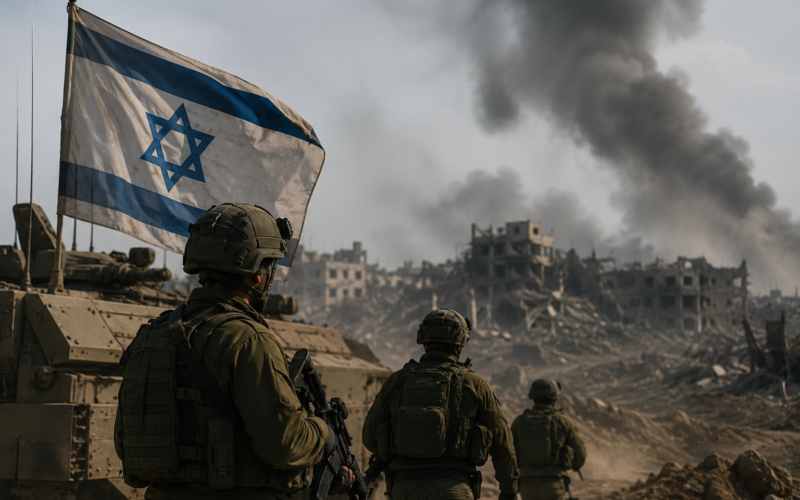
The Israel Defense Forces (IDF) announced that Feras al-Mazri, a department head at a Hamas production center, was neutralized during an operation…
📅 July 26, 2026, 11:31
The Israel Defense Forces (IDF) announced that Feras al-Mazri, a department head at a Hamas production center, was neutralized during an operation…
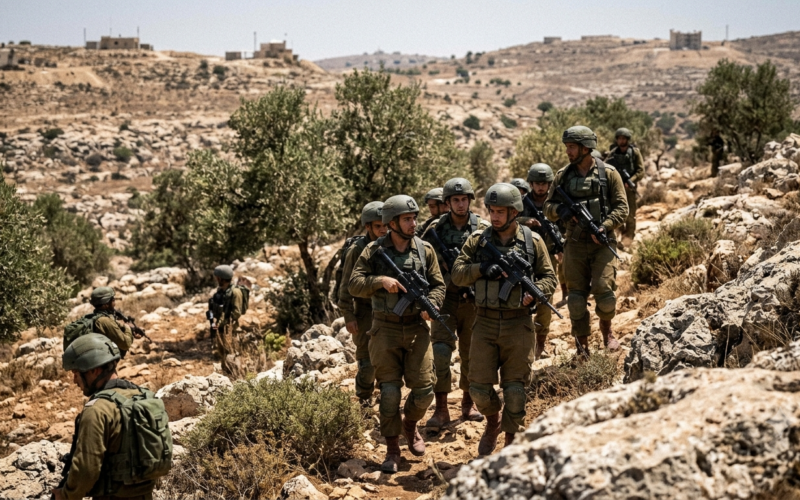
The Israel Defense Forces (IDF) announced that two militants were killed as a result of airstrikes in the central and northern regions…

Head of the IDF Central Command Major General Avi Bluth stated that Hamas is no longer capable of carrying out large-scale terrorist…
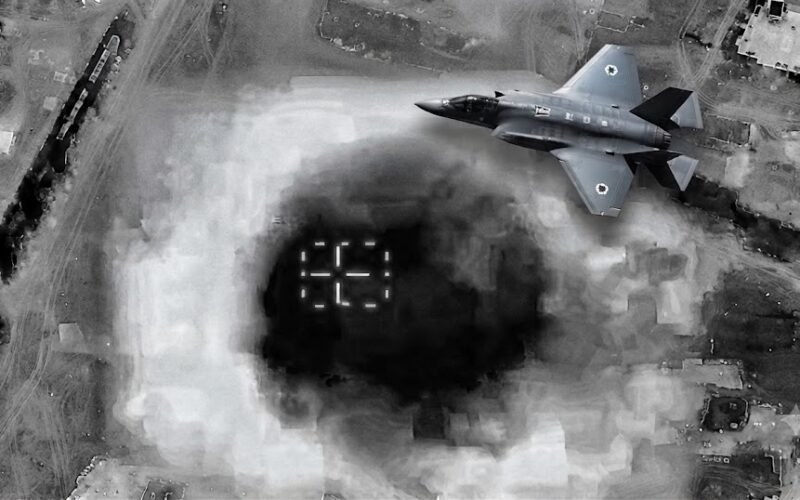
The Israeli military (IDF) confirmed the death of Hamas sniper unit commander Omar Ahmad Abu-Qasim following a precision airstrike carried out in…
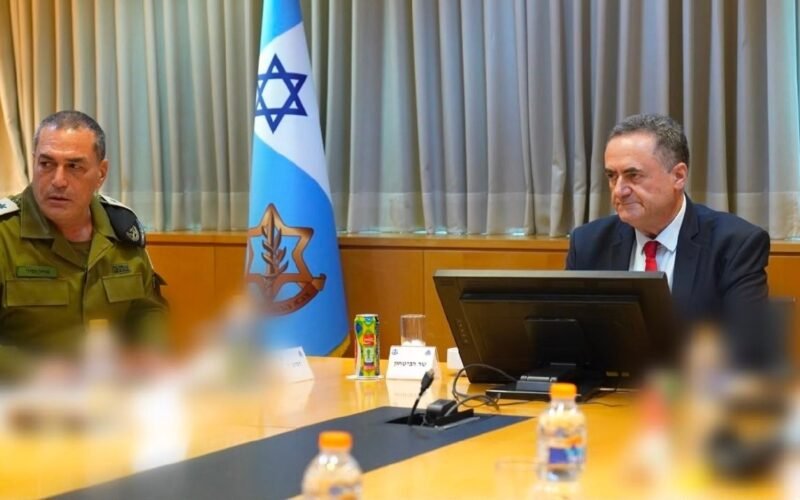
Israel's Defense Minister Israel Katz, together with Chief of Staff Eyal Zamir, assessed the situation across all fronts.

Israeli Eliya Cohen, held hostage by Hamas in the Gaza Strip for 505 days and released in February 2025, celebrated a henna…
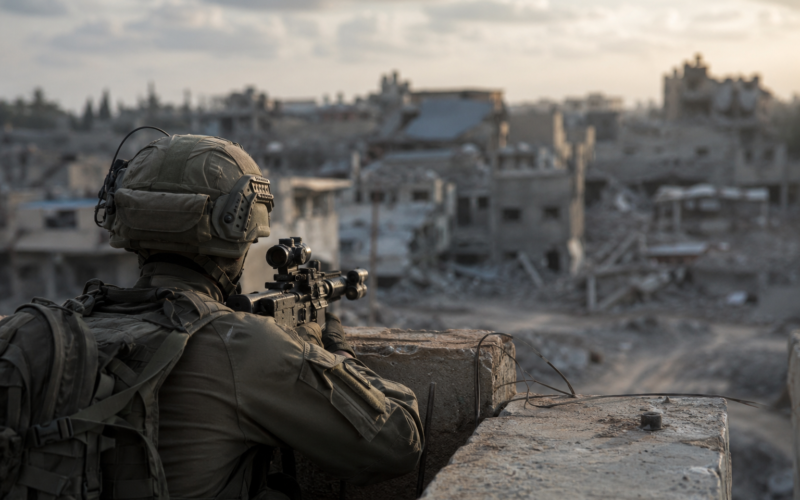
The Israel Defense Forces (IDF) announced that four militants belonging to the military wing of the Hamas terrorist organization were neutralized in…
Walid Haniyeh was severely wounded on June 25 during airstrikes in the western part of the Gaza Strip. Despite efforts by doctors,…
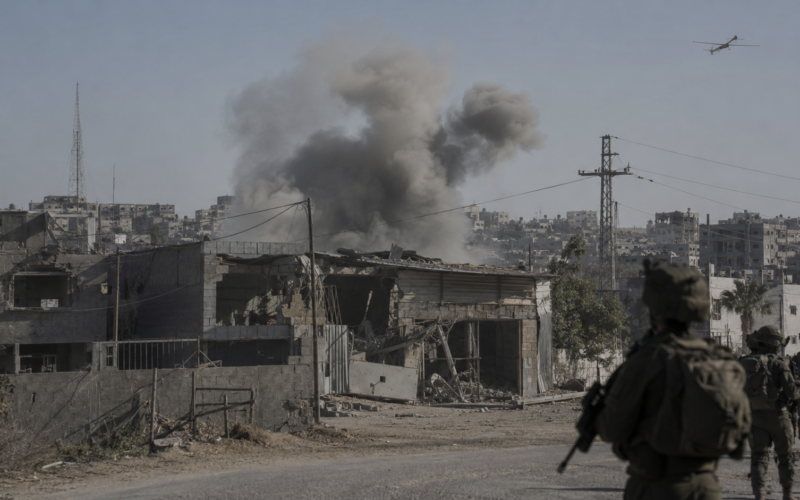
The Israel Defense Forces announced that Adam Muhammad Ibrahim Abu Hdaid, who led the terrorist organization's manufacturing unit, was killed in a…

The Israel Defense Forces neutralized four rocket launchers in the Gaza Strip during an overnight operation, which they considered a direct threat.
The Gaza Strip is a small but strategically important territory on the eastern coast of the Mediterranean Sea, bordering Israel and Egypt. In recent decades, this region has become a focal point of international attention, particularly in the context of the Jewish-Arab conflict. Understanding the Gaza Strip as a concept requires examining its historical, political, and cultural context, as well as its significance within the Jewish community and Judaism as a whole.
The Gaza Strip has a long and complex history that dates back to ancient times. Over the centuries, this territory has been subject to claims by various civilizations, including the ancient Egyptians, Romans, Byzantines, and Ottomans. In the 20th century, after World War II and the establishment of the State of Israel in 1948, the Gaza Strip became part of a broader political game in the region.
After the Arab-Israeli War of 1948, Gaza was under Egyptian control until 1967, when Israel occupied the region as a result of the Six-Day War. Since then, the Gaza Strip has become a battleground between Israel and Palestinian groups, leading to numerous military confrontations and humanitarian crises.
The political situation in the Gaza Strip remains extremely complex. In 2005, Israel unilaterally withdrew its troops and civilians from the region. However, in 2006, after elections won by the Palestinian organization Hamas, the situation deteriorated, and Hamas took control of Gaza. This led to a blockade of the territory by Israel and Egypt, exacerbating humanitarian conditions for the local population.
Political disagreements between Hamas and Fatah, as well as ongoing conflicts with Israel, have become the main factors shaping life in Gaza. These events provoke international disputes and affect relations between Israel and other countries, including Azerbaijan.
The Gaza Strip faces serious humanitarian challenges, including high levels of poverty, unemployment, and limited access to medical services. The blockade imposed by Israel and Egypt significantly restricts opportunities for trade and movement of people, creating harsh living conditions for the local population.
International organizations such as the UN and the Red Cross actively work in the region, trying to assist the residents of Gaza. However, political instability and ongoing conflicts hinder these efforts, making the humanitarian situation in the Gaza Strip one of the most challenging in the world.
Culture and religion play an important role in the lives of the residents of the Gaza Strip. The local population primarily consists of Palestinian Arabs who practice Islam. However, the region also has Jewish historical and cultural traces, highlighting the layered identity of this place.
The Gaza Strip has its unique traditions, including the celebration of religious holidays such as Ramadan and Eid al-Fitr. These events become important points for intercultural dialogue, even amidst a complex political situation.
The Gaza Strip holds direct significance for the Jewish community of Azerbaijan, as issues related to this region touch on broader themes of Jewish identity, history, and culture. Azerbaijan, as a country with a Muslim majority and a significant Jewish community, provides a unique platform for discussing intercultural dialogue and cooperation.
Moreover, events in Gaza reflect on international politics, which can influence relations between Azerbaijan and Israel. Diplomatic contacts and economic cooperation between these countries may also be affected by conflicts and humanitarian crises in the region.
The Gaza Strip represents a complex concept that encompasses historical, political, humanitarian, and cultural aspects. Its significance extends beyond geographical boundaries, influencing international relations and intercultural dialogue. For the Jewish community of Azerbaijan, studying the situation in Gaza can be an important step in understanding the broader picture of Jewish identity and global issues related to peace and conflict in the region.
Thus, the Gaza Strip remains a relevant topic for discussion, analysis, and the search for pathways to peace and mutual understanding, underscoring the importance of studying it in the context of the modern world.