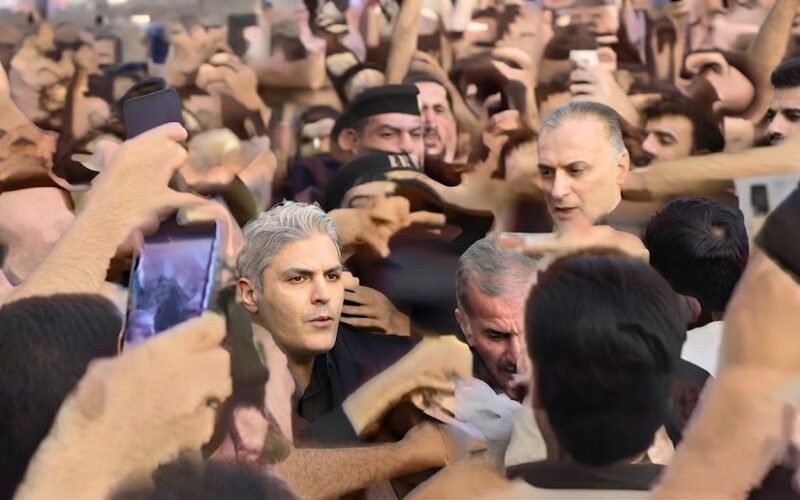
Funeral Ceremonies
Funeral ceremonies are solemn rituals that honor the deceased and provide spiritual and emotional closure for bereaved families. In Jewish tradition, funeral rites carry deep significance, guided by halacha (Jewish law) and centuries-old customs. These practices vary among different Jewish communities but share core principles of respect for the departed, support for mourners, and fulfillment of mitzvot (commandments) related to honoring the dead.
Jewish funeral practices typically include tahara (ritual washing and purification of the body), dressing the deceased in simple white shrouds, and a viewing period followed by the funeral service itself. The shoveling of earth onto the casket by family members is a meaningful act of closure. The shiva period, a seven-day mourning practice, follows the burial, during which family members remain at home and receive visitors who come to pay respects and offer condolences.
This section covers funeral traditions, mourning customs, and related observances within Jewish culture. Find articles on funeral practices, the significance of different rituals, guidance for mourners, and how these customs are practiced by Jewish communities worldwide, including Azerbaijani Jewish heritage and contemporary practices.