Education in the Jewish Community: A Key to Cultural Heritage and the Future
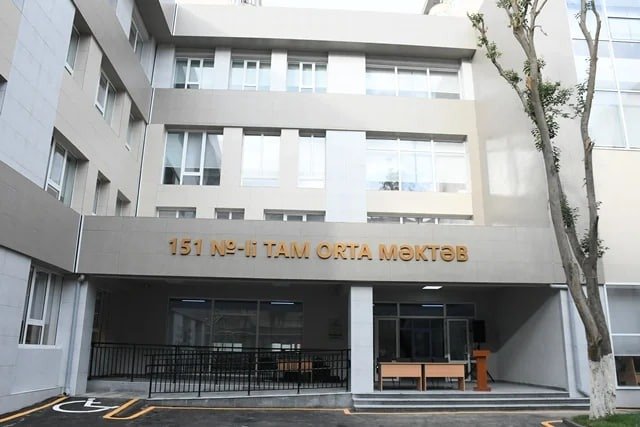
Education is a fundamental element of Jewish culture that ensures the transmission of knowledge, traditions, and values from generation to generation. In the Jewish community of Azerbaijan, as in other countries, education plays a central role in shaping identity and cohesion. Educational institutions, programs for studying Judaism, and cultural events contribute not only to the deepening of knowledge but also to strengthening ties among community members.
On our portal, you will find relevant materials on various aspects of Jewish education, including news about seminars, lectures, and cultural events. We highlight how educational initiatives help the youth not only preserve their roots but also actively participate in intercultural dialogue. Education in the Jewish community is not just about studying religion; it is a path to understanding and respecting other cultures, which is especially important in today's world.
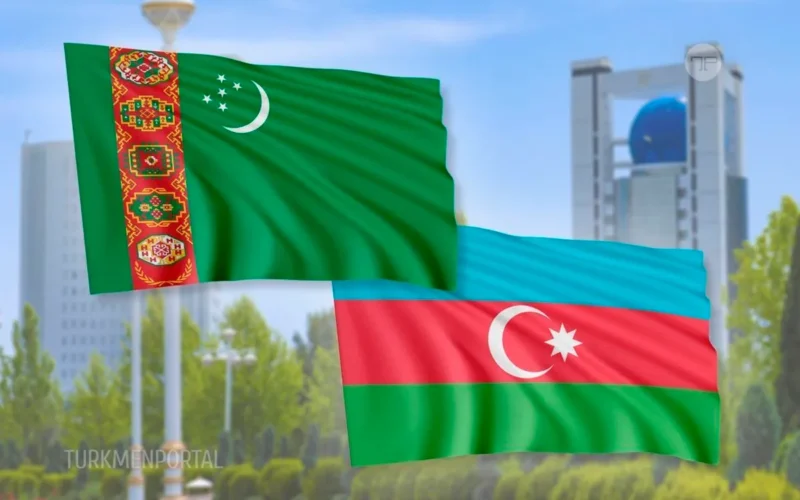
Turkmenistan plans to construct a new embassy building for its diplomatic mission in Azerbaijan.
📅 July 10, 2026, 12:47
Education as an Important Concept in the Life of the Jewish Community
Education is an integral part of the culture and traditions of the Jewish people. It encompasses a wide range of knowledge, skills, and values passed down from generation to generation. In the context of the Jewish community in Azerbaijan, education plays a key role in preserving identity, strengthening communities, and fostering intercultural dialogue. This text examines the historical aspects, current state, and significance of education for the Jewish community in Azerbaijan and beyond.
Historical Aspects of Jewish Education
The history of Jewish education spans thousands of years and begins with the Torah, the sacred text of Judaism. Since ancient times, Jews have placed great importance on learning, viewing it not only as a means of acquiring knowledge but also as a way to fulfill commandments. A significant milestone in the development of Jewish education was the establishment of yeshivas—religious educational institutions where the Torah, Talmud, and other sacred texts were studied.
In the Middle Ages, Jewish education became more systematic. Synagogues and community schools began to play an important role in educating children. During this time, various movements within Judaism also emerged, leading to a diversity of educational approaches. In the 19th century, a secular education era began in Europe, which also affected Jewish communities. New schools emerged that taught not only religious but also secular subjects.
Current State of Education in the Jewish Community of Azerbaijan
In Azerbaijan, the Jewish community actively develops educational initiatives. In recent decades, there has been a growing interest in Jewish education among both youth and adults. Schools and centers operate in the communities, offering lessons on Judaism, Jewish history, and culture.
One of the key aspects of modern Jewish education in Azerbaijan is the integration of secular and religious knowledge. This allows for the preservation of traditions while also adapting to the modern world. Educational institutions offer various programs that help students develop critical thinking, creative abilities, and communication skills.
The Importance of Education for the Identity of the Jewish Community
Education plays a central role in shaping the identity of the Jewish community in Azerbaijan. Preserving linguistic, cultural, and religious traditions is impossible without passing knowledge to the next generations. Education helps strengthen the bonds among community members, creating a space for communication and interaction.
Furthermore, education helps the Jewish community confront modern challenges, such as assimilation and the loss of cultural identity. Understanding their roots and traditions allows young people to take pride in their heritage and actively participate in community life.
Education and Intercultural Dialogue
Education also serves as an important tool for developing intercultural dialogue. In a multinational society like Azerbaijan, it is essential to create platforms for communication between different cultures. Educational initiatives aimed at studying Jewish culture and history foster better understanding and respect for differences.
Various educational projects organized by the Jewish community offer courses and lectures for representatives of other cultures. This not only promotes the dissemination of knowledge about Jewish culture but also strengthens ties between communities, which in turn contributes to peace and harmony in society.
The Relevance of Jewish Education in the Modern World
In the context of globalization and rapid changes in society, education becomes especially relevant. It helps people adapt to new conditions, develop skills necessary for a successful life in the modern world. The Jewish community in Azerbaijan actively employs modern technologies and teaching methods to make the educational process more effective and accessible.
There are programs aimed at developing critical thinking, problem-solving skills, and creativity—all of which are important for the successful integration of youth into modern society. It is important to note that modern education in the Jewish community is not limited to traditional subjects but also includes the study of foreign languages, technologies, and other relevant disciplines.
Conclusion
Education is a fundamental concept that permeates all aspects of life in the Jewish community of Azerbaijan. It serves not only to transmit knowledge but also to preserve cultural identity, strengthen intercultural dialogue, and adapt to contemporary challenges. It is important to support and develop educational initiatives that allow the Jewish people to maintain their traditions while also integrating into a multinational society.
Thus, education in the Jewish community of Azerbaijan is not just a learning process but an important tool for shaping the future that will preserve the uniqueness and richness of Jewish culture in the modern world.