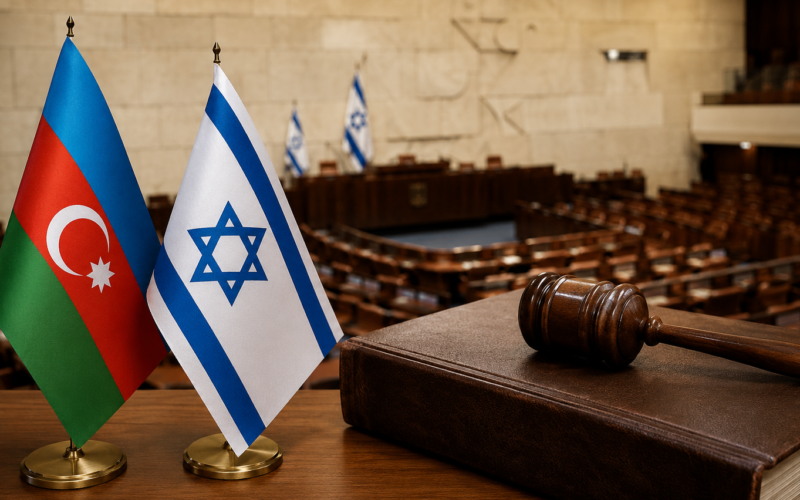
Azerbaijan, located at the intersection of Eastern Europe and Western Asia, is a country rich in cultural diversity and historical significance. It is home to a vibrant Jewish community that has thrived for centuries, contributing to the nation’s multicultural tapestry. Historically, Azerbaijan has been a haven for Jews fleeing persecution, particularly during the tumultuous periods of the 20th century.
The capital city, Baku, hosts several synagogues and cultural centers that reflect the enduring presence of the Jewish diaspora. The relationship between Azerbaijan and Israel is also noteworthy, marked by diplomatic ties and mutual support on various international platforms. This unique blend of cultures not only enriches the local heritage but also fosters interfaith dialogue, making Azerbaijan a significant player in promoting peace and understanding in the region.
Amid diplomatic protests from Azerbaijan, a planned vote in the Israeli parliament (Knesset) on the official recognition of the so-called 'Armenian genocide'…
In accordance with the 2026 training plan approved by the Minister of Defense of the Republic of Azerbaijan, aviation units of the…
📅 July 17, 2026, 13:53
Azerbaijan: A Cultural and Historical Crossroad
Azerbaijan, a country located at the crossroads of Eastern Europe and Western Asia, is steeped in rich history and diverse cultures. It is bordered by the Caspian Sea to the east, with a varied landscape that ranges from mountains to plains. The country has a unique position that has allowed it to serve as a bridge between different civilizations and cultures throughout the centuries. This geographical significance has also fostered a diverse population, including a notable Jewish community, which has played an integral role in the country's history and culture.
Geographical Context
Azerbaijan is situated in the South Caucasus region, sharing borders with Russia to the north, Georgia to the northwest, Armenia to the west, and Iran to the south. Its geographical diversity includes the Greater Caucasus mountain range in the north and the low-lying Kura-Aras Lowland in the central region. The capital city, Baku, is located on the Absheron Peninsula along the Caspian Sea and is known for its modern architecture and historical sites.
The strategic location of Azerbaijan has made it a significant player in various historical trade routes, including the Silk Road. This position has attracted various cultures, languages, and religions, contributing to its rich tapestry of heritage.
Historical Overview
The history of Azerbaijan is marked by the influence of several empires and nations, including the Persian Empire, the Ottoman Empire, and the Russian Empire. The region has been inhabited since ancient times, with archaeological findings dating back to the Stone Age. The presence of Zoroastrianism, Christianity, and Islam has shaped the cultural and religious landscape of Azerbaijan.
Jewish communities have existed in Azerbaijan for centuries, with historical records indicating their presence as early as the 5th century. The Jewish population of Azerbaijan has contributed significantly to the country’s history, particularly in the fields of trade, culture, and arts. The coexistence of Jews and Muslims in Azerbaijan has often been cited as a model of interfaith harmony, especially during times of conflict in other regions.
The Jewish Community in Azerbaijan
The Jewish community in Azerbaijan has a rich history that reflects the broader historical and cultural dynamics of the country. Today, the community is primarily concentrated in Baku, with smaller populations in other cities. The community comprises various groups, including Mountain Jews, Ashkenazi Jews, and Georgian Jews, each contributing to the cultural mosaic of Azerbaijan.
Mountain Jews, who have lived in the region for centuries, have their own distinct language, Judeo-Tat, and cultural practices. They have historically engaged in trade and crafts, maintaining their traditions while also integrating into Azerbaijani society. The Ashkenazi community, which arrived in the 19th century, has also played a significant role in the development of Jewish life in Azerbaijan.
Modern Developments and Interfaith Dialogue
In recent years, Azerbaijan has made significant strides in promoting interfaith dialogue and cultural exchange. The government has actively supported the Jewish community, ensuring the preservation of Jewish heritage and the maintenance of synagogues and cultural centers. The Baku Jewish Community Center serves as a focal point for cultural and religious activities, fostering a sense of community and belonging among Jews in Azerbaijan.
Azerbaijan’s commitment to religious tolerance and diversity is reflected in its policies and societal norms. The country is home to various religious communities, including Christians and Muslims, who coexist peacefully. This environment of mutual respect and understanding has allowed the Jewish community to thrive and maintain its unique identity.
Cultural Contributions
The Jewish community in Azerbaijan has made notable contributions to the country’s cultural landscape. From literature and music to visual arts, Jewish artists and intellectuals have enriched Azerbaijani culture. Prominent figures include the Jewish playwright and poet, Yitzhak Gorny, and the famous composer, Fikret Amirov, who has Jewish roots.
Jewish festivals and cultural events are celebrated openly in Azerbaijan, showcasing the vibrant traditions of the community. Events such as Hanukkah and Purim are marked with communal gatherings, music, and food, highlighting the integration of Jewish customs into the broader Azerbaijani culture.
International Relations and Diplomacy
Azerbaijan maintains diplomatic relations with Israel, and the two countries have cooperated on various fronts, including trade, technology, and cultural exchange. This relationship is significant, especially in the context of the Middle East, where Azerbaijan serves as a moderate Muslim-majority country with strong ties to a Jewish state.
Through diplomatic dialogue, Azerbaijan promotes a message of peace and cooperation, emphasizing the importance of cultural exchange and mutual understanding among different nations and religions. The government’s support for the Jewish community and its commitment to fostering interfaith dialogue reflect Azerbaijan's broader diplomatic stance.
Conclusion
Azerbaijan stands as a testament to the rich interplay of cultures, religions, and histories. Its unique geographical position has allowed it to serve as a melting pot of civilizations, where the Jewish community has played a vital role in shaping the cultural and historical narrative of the country. The ongoing commitment to interfaith dialogue and cultural preservation ensures that Azerbaijan remains a beacon of diversity and tolerance in the region.
As the Jewish community in Azerbaijan continues to flourish, it serves as a reminder of the importance of coexistence, mutual respect, and cultural exchange. The historical ties between Azerbaijan and its Jewish population highlight the significance of understanding and appreciating the diverse cultural landscapes that define our global society.