

Analysis
Diplomacy or conflict? — US new strategy toward Iran
Diplomatic efforts have intensified between Washington and Tehran to reduce rising tensions in recent days. Both sides are reported to be working…
📅 July 10, 2026, 12:35
Diplomatic efforts have intensified between Washington and Tehran to reduce rising tensions in recent days. Both sides are reported to be working…
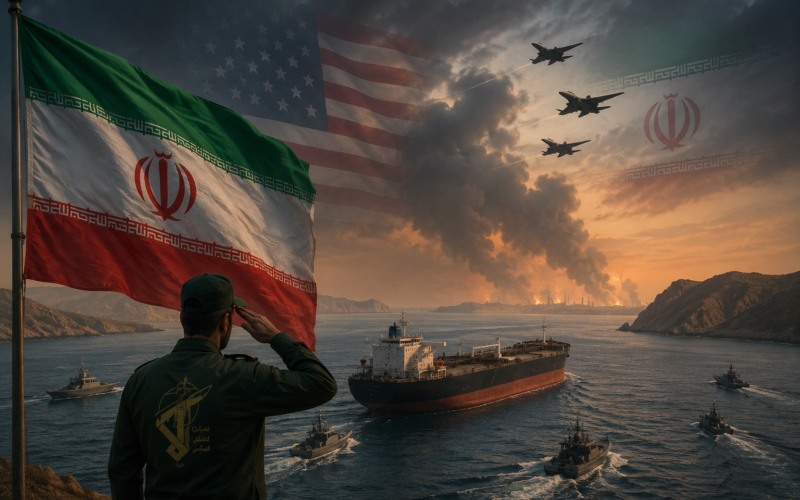
The Islamic Revolutionary Guard Corps (IRGC) has announced the closure of the Strait of Hormuz for an indefinite period following strikes on…
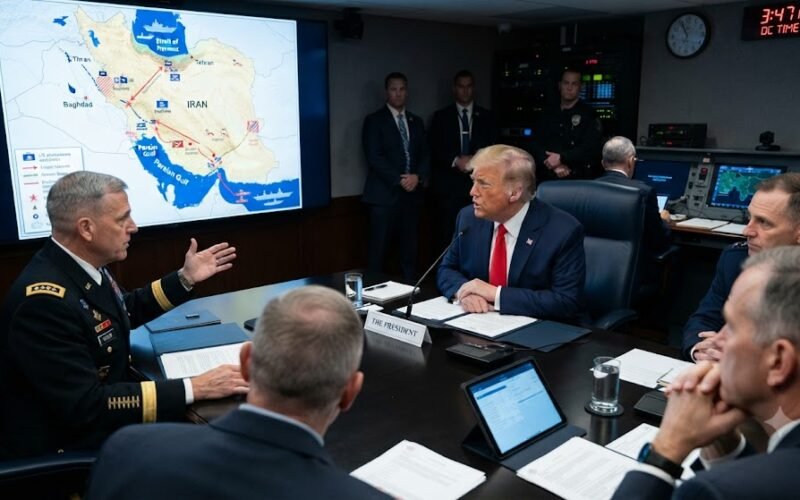
US military forces struck Iranian infrastructure in the north with fresh strikes. The White House estimates the confrontation could last days, weeks,…
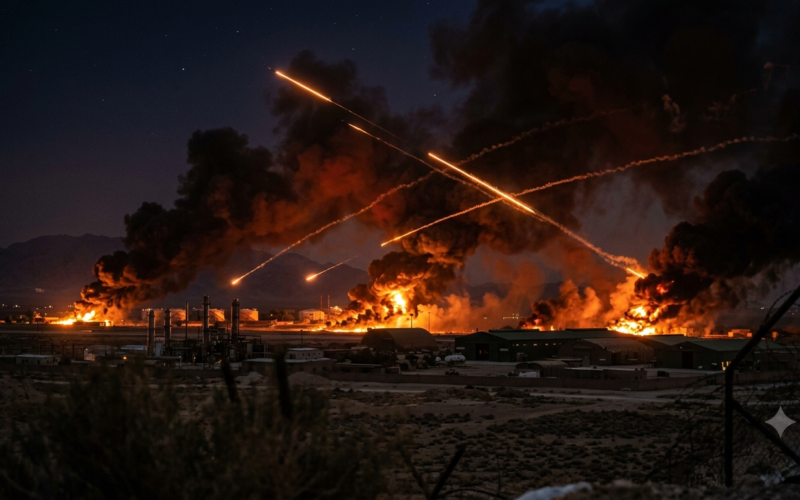
Main targets included military bases in Bandar Abbas, Kish Island, Goruk, Sirik and Chabahar. Iranian media reported that the Islamic Revolutionary Guard…
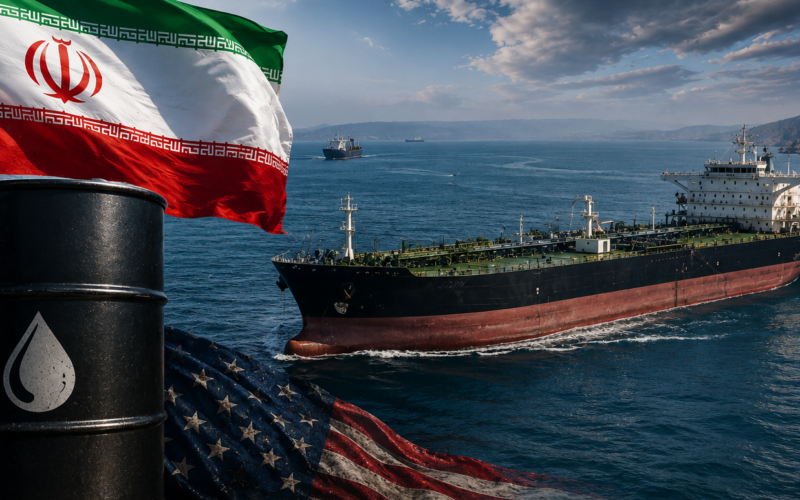
The US Treasury Department has reinstated oil sanctions against Iran. The decision comes after Tehran's attacks on civilian merchant vessels in the…
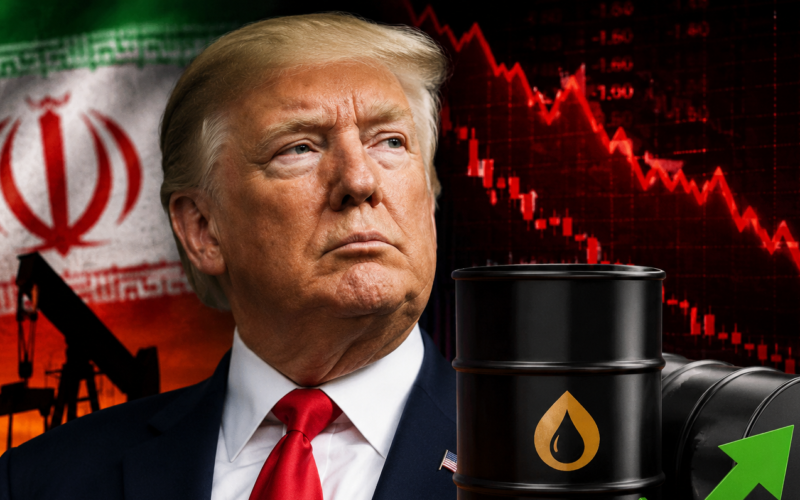
Following U.S. President Donald Trump's statement that an agreement with Iran regarding the Strait of Hormuz is no longer in effect, significant…
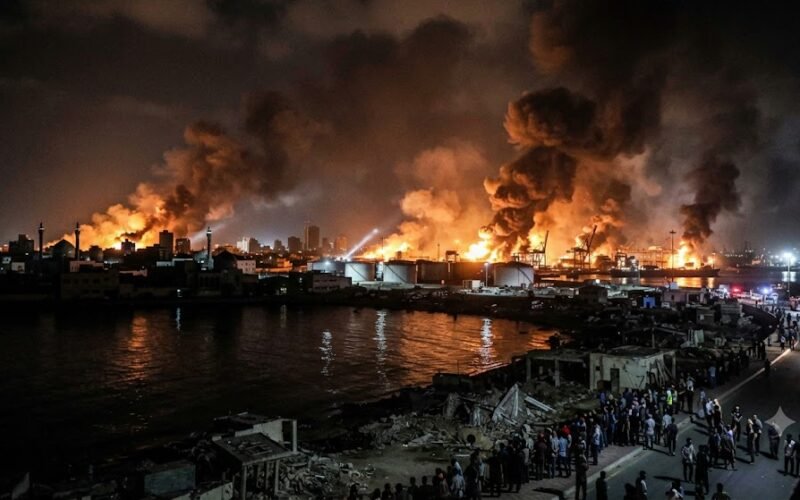
Following US military strikes on strategic targets in the port city of Bandar Abbas in southern Iran and surrounding areas, powerful explosions…
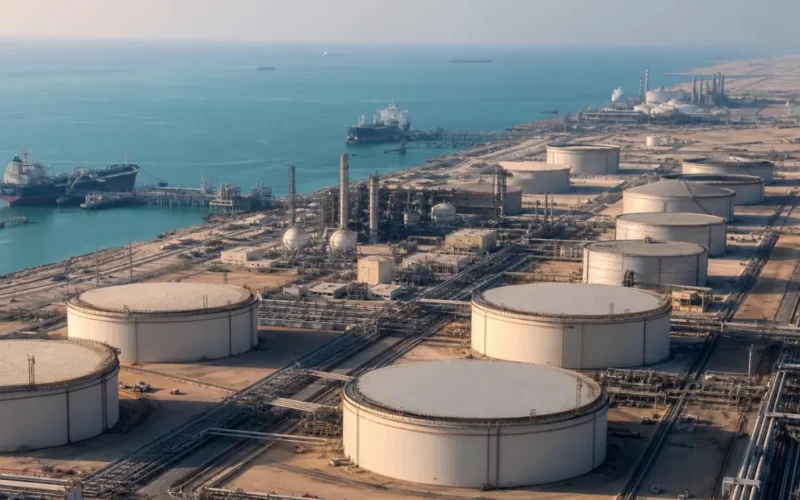
Saudi Arabia is considering expanding the capacity of the East-West Pipeline, one of its main energy routes, to enhance oil export security…

Iran's military reportedly struck tankers passing through the Strait of Hormuz with missiles.
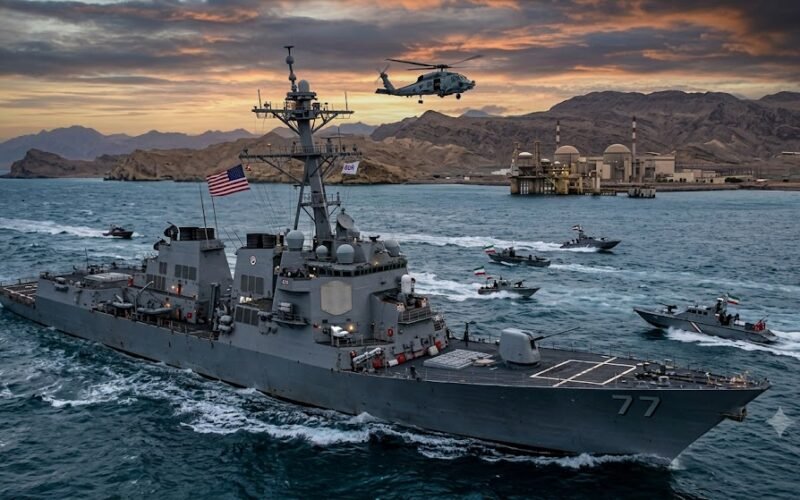
The US administration has officially warned Iran that any attempt to alter the existing status quo in the Strait of Hormuz will…
The Strait of Hormuz is a narrow waterway located between the Persian Gulf and the Gulf of Oman. It serves as a critical maritime passage for global trade, particularly for the transportation of oil and natural gas. The strait is approximately 39 kilometers wide at its narrowest point and is bordered by Iran to the north and Oman to the south. Given its significance in international trade and energy security, the Strait of Hormuz has become a focal point for geopolitical discussions and conflicts, making it a topic of interest for various communities, including the Jewish community in Azerbaijan.
The historical relevance of the Strait of Hormuz dates back centuries. As a key route for traders and merchants, it has been instrumental in the exchange of goods, culture, and ideas between the East and West. The region surrounding the strait has seen numerous empires rise and fall, each leaving its mark on the geopolitical landscape.
In the 20th century, the discovery of vast oil reserves in the Persian Gulf transformed the strait into a strategic asset for economic and military interests. The 1979 Iranian Revolution, the Iran-Iraq War, and subsequent conflicts have further underscored the strait's importance in regional and global politics. The ongoing tensions between Iran and various Western nations, particularly the United States, continue to affect the security and stability of this critical maritime route.
Today, the Strait of Hormuz is one of the most important chokepoints for global oil transportation. It is estimated that around 20% of the world's oil supply passes through this strait, making it a vital artery for energy security. Any disruption in this passage could lead to significant economic repercussions not only for the countries in the region but also for global markets.
The geopolitical stakes surrounding the Strait of Hormuz have led to increased military presence from various nations, including the United States, which has deployed naval forces to ensure the safety of shipping lanes. This has resulted in a complex web of alliances and rivalries, with countries like Iran asserting their influence over the strait while other nations seek to safeguard their interests.
The Jewish community in Azerbaijan has a unique perspective on the geopolitical dynamics surrounding the Strait of Hormuz. Azerbaijan, located in the South Caucasus region, shares borders with Iran and is strategically positioned near this critical maritime route. The relationship between Azerbaijan and Israel has grown stronger over the years, particularly in areas such as defense, energy, and trade.
As Iran's influence in the region remains a concern for both Azerbaijan and Israel, the Strait of Hormuz serves as a backdrop for understanding the complexities of regional security. The Jewish community in Azerbaijan, which has a rich history and cultural heritage, is increasingly engaged in discussions regarding the implications of geopolitical developments in the region, including those related to the Strait of Hormuz.
The economic implications of the Strait of Hormuz are profound. Disruptions to shipping routes can lead to spikes in oil prices, affecting economies worldwide. Countries that rely heavily on oil imports, including many in Europe and Asia, are particularly vulnerable to fluctuations in supply caused by tensions in the region.
Furthermore, the strait is not only crucial for oil but also for liquefied natural gas (LNG) shipments. As countries transition to more sustainable energy sources, the importance of the Strait of Hormuz in facilitating energy trade remains paramount. The Jewish community in Azerbaijan, along with other stakeholders, monitors these developments closely, as they can have direct effects on economic stability and energy security in the region.
The cultural and social implications of the Strait of Hormuz extend beyond economics and politics. The strait has historically been a melting pot of cultures, with various ethnic groups and religions coexisting and interacting. This cultural exchange has enriched the region and contributed to a diverse social fabric.
For the Jewish community in Azerbaijan, the historical and cultural significance of the Strait of Hormuz can be seen as part of a broader narrative of coexistence and dialogue among different communities. The importance of fostering interfaith relationships and understanding is crucial in a region marked by tensions and conflicts. Initiatives aimed at promoting dialogue and cooperation among diverse groups can help mitigate misunderstandings and build bridges across cultural divides.
The Strait of Hormuz is not merely a geographical location; it is a concept that embodies the complexities of global trade, energy security, and geopolitics. Its historical significance, current geopolitical relevance, and economic implications make it a critical focal point for various stakeholders, including the Jewish community in Azerbaijan. Understanding the dynamics surrounding the Strait of Hormuz is essential for grasping the broader context of regional and international relations.
As the world continues to grapple with the challenges posed by energy dependence, political tensions, and cultural diversity, the Strait of Hormuz will remain a vital area of interest for policymakers, scholars, and communities alike. Engaging in discussions about the strait's significance can foster greater awareness and understanding of the intricate relationships that shape our world today.