
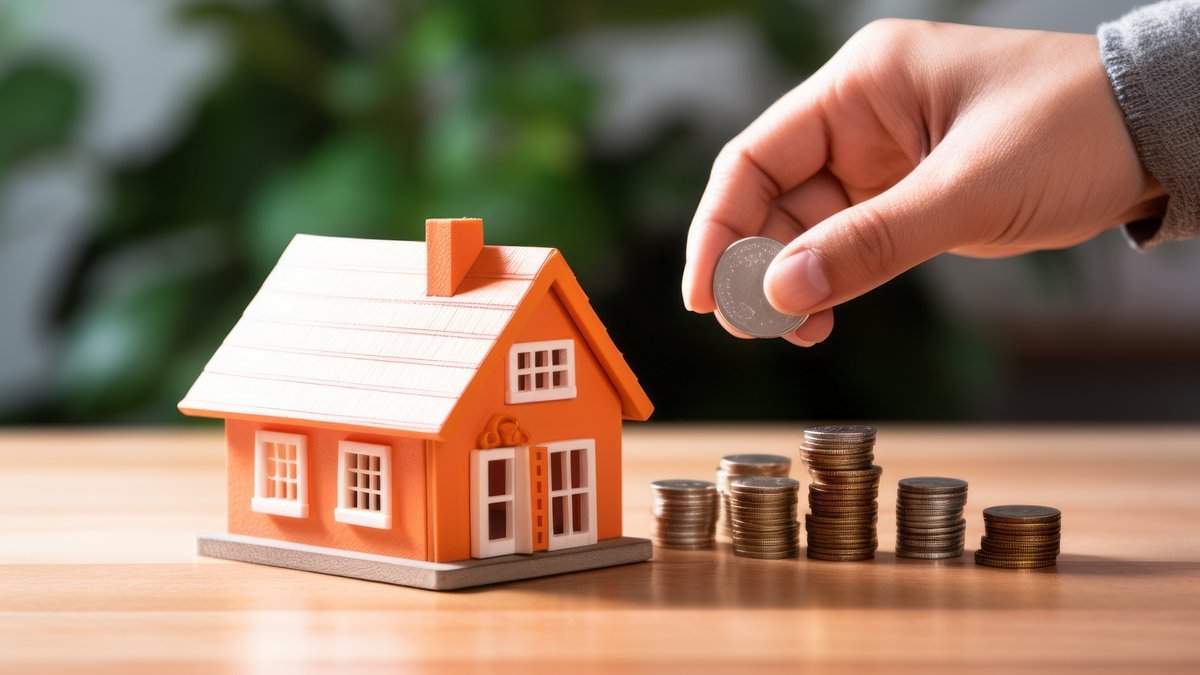
The Israel Tax Authority has reminded residential property owners about the rules for declaring and paying taxes on income from renting out apartments. Property owners are required to adhere to the statutory tax exemption thresholds and observe reporting deadlines depending on the chosen regime.
According to data from the Central Bureau of Statistics, apartment rental costs for new tenants increased by an average of 6.6% compared to the same period last year. In light of the active moving season, the Globes publication has released an overview of the current tax rules for landlords.
Tax Regimes and Thresholds
The most common option is a full tax exemption, which applies to monthly residential rental income of up to 5,654 shekels. If the income exceeds this threshold but remains below 11,308 shekels per month, a partial exemption applies: the tax-exempt limit is reduced by one shekel for every shekel above the threshold.
The second regime provides for a fixed tax rate of 10% starting from the first shekel of income; however, it does not allow deducting expenses for repairs, professional services, or loan interest. The third option is taxation under individual progressive rates, where the base rate starts at 31% for owners under 60 years old. This regime allows deducting expenses for repairs, mortgage interest, and depreciation.
Accounting and Reporting Specifics
The exemption threshold was frozen at 5,654 shekels at the beginning of 2024 as part of a government spending reduction program. The limit is calculated based on total income from all rented residential properties, rather than individually for each property. For commercial real estate, tax benefits do not apply, and income must be declared regardless of the amount.
Reporting deadlines depend on the chosen scheme. Landlords who opt for the 10% rate must pay the tax and submit a report no later than January 30 of the following year. For example, tax for 2026 must be paid by the end of January 2027 via the Israel Tax Authority website.
Tax expert Hana Salomon from BDO notes that choosing between the 10% flat rate and the standard tax scale affects the amount of tax owed upon any future sale of the property, as annual depreciation of 2% reduces the original cost basis of the asset, leading to an increased capital gains tax liability.
Source: 9tv.co.il